The Power of Screen-Free Play: Replacing TV Time for Kindergarteners
In the modern home, the television has become an almost unavoidable presence. For many families, it serves as a convenient babysitter, a background noise, or a reward at the end of a long day. Yet for kindergarteners—children aged four to six who are in a critical period of cognitive, social, and physical development—excessive television time can do more harm than good. The solution is not simply to turn off the TV, but to actively replace it with screen-free play. This article explores why screen-free play is essential for kindergarteners, how it can replace TV time, and practical strategies for parents and educators to make the transition smooth and rewarding.
The Hidden Costs of Television Time for Young Children
Television, even high-quality educational programming, is a fundamentally passive activity. A kindergartener sitting in front of a screen is receiving information, but not interacting with it. Their eyes follow moving images, their ears absorb sounds, but their bodies remain still. Their brains, however, are not fully engaged in the way they are during active play. Research in early childhood development has repeatedly shown that children learn best through hands-on, multisensory experiences. When a child watches a show about counting, they are merely observing. When they play with blocks, they are physically manipulating quantities, testing balance, and solving spatial problems.
Moreover, excessive screen time is linked to a range of negative outcomes. The American Academy of Pediatrics recommends no more than one hour of high-quality programming per day for children aged 2 to 5, and even less for younger children. Yet many kindergarteners exceed this limit, sometimes watching two to three hours daily. This can contribute to attention difficulties, reduced vocabulary growth in the long term, and even physical issues such as eye strain and poor posture. Perhaps most critically, time spent in front of a screen is time not spent moving, exploring, or interacting with real people.
Why Screen-Free Play Is the Ideal Replacement
Screen-free play is not merely the absence of screens; it is a rich, dynamic, and developmentally appropriate alternative. For kindergarteners, play is work. Through play, children develop gross motor skills by running, jumping, and climbing. They refine fine motor skills through drawing, cutting, and manipulating small objects. They learn social skills—negotiation, cooperation, empathy—by playing with peers or siblings. They practice language and storytelling by creating imaginary worlds. They build executive function skills such as self-control, planning, and problem-solving. No television show can offer the depth and breadth of learning that occurs during unstructured, screen-free play.
Imagine a child who spends an hour building a fort with blankets and pillows. They must plan the structure, choose materials, test stability, adjust when it collapses, and perhaps negotiate with a sibling who wants to add a window. This single activity involves physics, engineering, collaboration, resilience, and creativity. Meanwhile, a child who watches an hour of cartoons is a passive recipient of someone else’s imagination. The difference is profound.
Practical Strategies to Replace TV Time with Play
Replacing TV time does not mean banning television entirely—that can lead to resistance and tantrums. Instead, it involves a gradual, intentional shift. Here are several effective strategies that parents and kindergarten teachers can use.
1. Create a “Play-Friendly” Environment
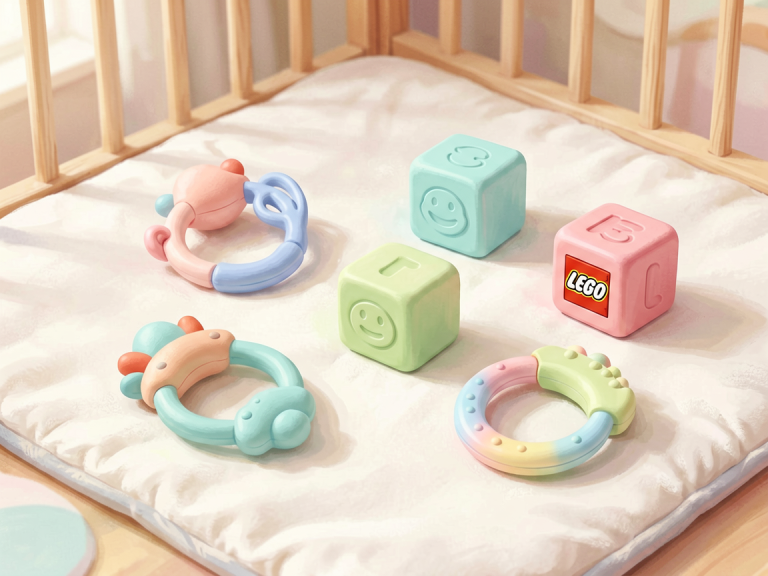
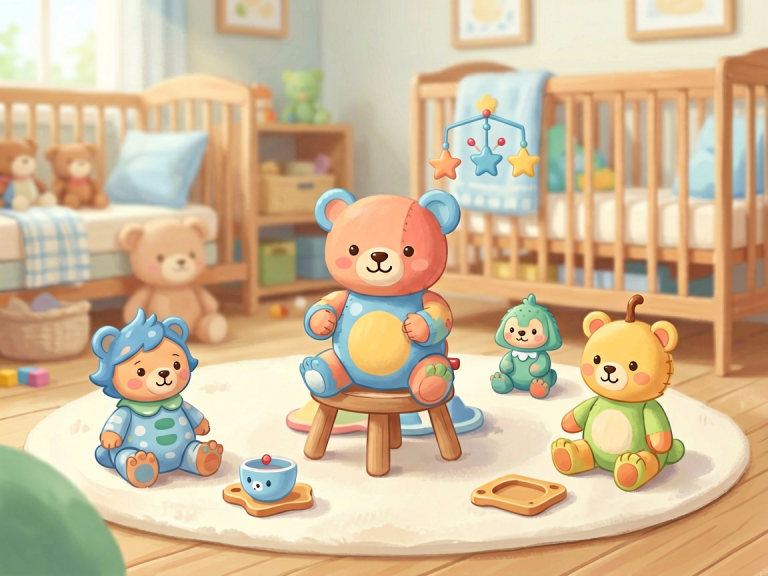
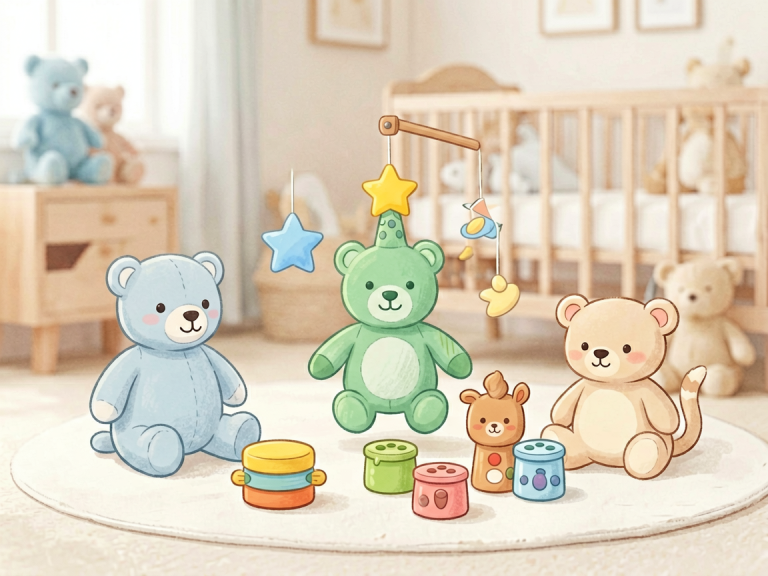
The physical environment is a powerful cue for behavior. If a child’s playroom or living area is filled with open-ended toys—blocks, art supplies, dress-up costumes, puzzles, sensory bins—they are naturally drawn to play. Reduce the visual clutter of electronic devices. Designate a “no-screen zone” where the only options are books, toys, and art. For example, arrange a low shelf with a rotating selection of toys. When the TV is off, this area becomes inviting. You can also set up a simple “invitation to play” each morning: a tray of playdough with cookie cutters, a pile of LEGO® bricks with a challenge card, or a basket of scarves for dancing.
2. Establish Clear Screen Time Boundaries
Instead of letting TV be the default, set specific, limited times for screens. For instance, allow 30 minutes of educational programming after lunch, and then firmly turn off the TV. Use a visual timer so the child knows when screen time ends. The key is consistency. When the timer goes off, offer an immediate alternative: “The show is over now. Let’s go build a train track together!” The transition should be smooth and positive, not a punishment. Over time, the child will learn that after the screen comes something fun.
3. Model Screen-Free Behavior
Children imitate adults. If parents spend their evenings scrolling on phones or watching television, children will naturally want to do the same. Set aside family time where everyone puts away screens. Play a board game, do a puzzle, or go for a walk. When parents engage in their own creative hobbies—painting, knitting, gardening—children see that there are many fulfilling activities beyond screens. This modeling is more powerful than any verbal instruction.
4. Use “Yes” Instead of “No”
Instead of saying “No TV,” change the framing. Say “Yes, let’s do something fun instead!” Offer choices that empower the child. “Would you like to paint a picture, build a castle, or play hide-and-seek?” When children feel they have control, they are more likely to cooperate. The goal is to make screen-free play feel like a treat, not a deprivation. You can also create a “fun jar” filled with slips of paper listing different activities. When the child asks for TV, they pick from the jar.
5. Incorporate Outdoor Time Daily
Nature is the ultimate screen-free playground. Kindergarteners need vigorous physical activity every day. Replace a half-hour of TV with a trip to the park, a backyard treasure hunt, or a simple walk around the block. Collect leaves, jump in puddles, or chase bubbles. Outdoor play provides sensory stimulation—feeling the wind, hearing birds, smelling flowers—that no screen can replicate. It also improves mood and reduces stress, both for children and parents.
6. Engage in Guided Play When Needed
Some children struggle to transition from screens because they have forgotten how to play independently. In these cases, parents can initially play alongside them. Sit on the floor and build with blocks together. Ask open-ended questions: “What if we add a tower here?” “How can we make the bridge stronger?” Gradually, withdraw your involvement as the child becomes absorbed. The goal is to reignite their natural creativity and confidence.
Overcoming Common Challenges
Transitioning away from TV is not always easy. Parents may face whining, boredom complaints, or even tantrums. This is normal. Boredom, in fact, is a gift. When a child says “I’m bored,” resist the urge to offer screens. Instead, say, “Boredom is your brain telling you to create something new.” Give them time and patience. Often, after a short period of frustration, they will discover a toy they haven’t touched in months or invent a new game.
Another challenge is that parents themselves may rely on TV time to get chores done. This is understandable. The solution is not to eliminate TV entirely, but to find balance. Chores can be done while the child plays nearby, or during a short, designated screen slot. Alternatively, involve the child in chores as play—washing plastic dishes, sorting laundry by color, or wiping a table. These activities build life skills and are screen-free.
The Long-Term Benefits of Screen-Free Play
The benefits of replacing TV time with play extend far beyond the kindergarten years. Children who spend ample time in unstructured play develop stronger problem-solving abilities, better emotional regulation, and more robust social skills. They are less likely to develop sedentary habits that lead to obesity. They learn to entertain themselves, a skill that is increasingly rare in a world of constant digital stimulation. They also build a foundation for creativity that will serve them in school and later in life.
Moreover, screen-free play strengthens the parent-child bond. When families play together without screens, they talk, laugh, and connect. These shared moments create memories and a sense of security that no television show can provide. As the child grows, the habits established in kindergarten—choosing play over screens—can persist into elementary school and beyond.
Conclusion: A Simple, Transformative Shift
Replacing TV time with screen-free play for kindergarteners is not about deprivation. It is about offering something better. It is about giving children the gift of active, engaged, joyful learning. It requires intentionality from parents: setting boundaries, creating inviting environments, and sometimes playing along. But the reward is immense: a child who runs, builds, imagines, and connects. A child who learns that the world is not something to watch, but something to create. So turn off the television. Step away from the screen. And watch your kindergartener come alive through the power of play.