Safe Toy Shopping Guide for Parents: Ensuring Joy Without Risk
Toys are more than just playthings; they are tools for learning, creativity, and emotional development. Every year, however, thousands of children are treated in emergency rooms for toy-related injuries—ranging from choking and falls to chemical exposure and strangulation. As a parent, navigating the endless aisles of colorful packaging can be overwhelming. Where do you start? What should you look for? This comprehensive safe toy shopping guide will equip you with the knowledge to make informed decisions, turning every purchase into a source of safe, lasting joy.
Understanding Age Recommendations: The First Line of Defense
The most common mistake parents make is buying toys that are too advanced—or too simplistic—for their child’s developmental stage. Age labels on toy packaging are not arbitrary marketing suggestions; they are based on rigorous safety testing. A toy marked “3+” may contain small parts that pose a choking hazard to a two-year-old, while a “6+” toy might require fine motor skills a preschooler hasn’t yet mastered.
Always check the manufacturer’s recommended age range, but also consider your child’s individual abilities. A highly cautious four-year-old might still put small objects in their mouth, while an adventurous toddler might be ready for more complex puzzles. When in doubt, err on the side of caution. The U.S. Consumer Product Safety Commission (CPSC) and similar agencies worldwide require that toys for children under three years old cannot have any small parts that fit into a standard choke test cylinder. Look for this information on the packaging or the product description online.
Material Safety: What’s Inside Matters
Not all plastics, paints, and fabrics are created equal. Children explore the world with their mouths, so anything that goes into their hands will eventually go into their mouths. Here are key material considerations:
- Phthalates and BPA: Many soft plastic toys, such as bath toys and teething rings, have historically contained phthalates—chemicals that can disrupt hormone systems. Today, most reputable brands avoid them, but it’s wise to look for “phthalate-free” and “BPA-free” labels.
- Lead and heavy metals: Painted wooden toys or colorful plastic figurines may contain lead in the paint or in the plastic itself. In the United States, the Consumer Product Safety Improvement Act (CPSIA) mandates third-party testing for lead content in children’s products. European CE marks and the EN71 standard also ensure safety. When buying from small artisans or overseas marketplaces, request certificates of compliance.
- Wood quality: Natural wood toys are wonderful, but ensure they are made from sustainably harvested wood and finished with non-toxic, water-based dyes or beeswax. Avoid splinter-prone rough surfaces.
- Fabrics and stuffing: For plush toys, check that seams are reinforced and that the stuffing is hypoallergenic and flame-retardant (but without toxic chemicals like PBDEs). Labels like “Oeko-Tex Standard 100” indicate that every thread has been tested for harmful substances.
Choking Hazards: The Invisible Danger
Choking is the leading cause of toy-related death in young children. A simple rule: if a toy or its detachable part can pass through a toilet paper roll (about 1.75 inches in diameter), it is a choking hazard for children under three. But even larger items can be dangerous—balloons are notorious, as a deflated or broken piece can be inhaled. Never give latex balloons to children under eight unless under strict supervision.
Be vigilant about:
- Small batteries: Button batteries (the flat, coin-shaped ones) are extremely hazardous if swallowed. They can cause severe internal burns within hours. Toys that require these batteries should have a screw-secured battery compartment. Never leave loose batteries within reach.
- Marbles and beads: Often found in craft kits or older sibling’s games, they are a classic choking threat.
- Magnetic pieces: High-powered magnets (often used in construction sets) can cause life-threatening internal injuries if two or more are swallowed and attract across intestinal walls. Keep such sets away from children under 14, and check for warning labels.
String, Cords, and Strangulation Risks
Long cords, ribbons, or strings on toys can accidentally wrap around a child’s neck, especially in cribs or playpens. The CPSC has specific guidelines: any cord on a toy intended for infants and toddlers should be no longer than 12 inches. For pull toys, the cord should be shorter and ideally made of a breakaway material.
Also consider clothing accessories on dolls or action figures—scarves, capes, or necklaces. These can be equally dangerous. For nursery mobiles, ensure they are securely attached and out of reach; once a baby can push up on hands and knees, mobiles should be removed entirely to prevent entanglement.
Electronics and Battery Safety
Electronic toys—from talking dolls to remote-controlled cars—add fun but also introduce hazards. Heat, sharp edges on charging ports, and exposed wiring are concerns. Only buy electronic toys that have a visible UL (Underwriters Laboratories) or CE mark, indicating they have passed electrical safety tests.
- Charging cables: Never allow a child to play with a toy while it is plugged in. The risk of electric shock or strangulation from the cord is too high.
- Overheating: Some rechargeable toys, especially cheaper knockoffs, can overheat during charging. Always use the charger provided by the manufacturer, and never leave a charging toy unattended for extended periods.
- Sound levels: Some toys produce sounds exceeding 85 decibels, which can damage a child’s hearing over time. Look for toys with adjustable volume or a “low volume” setting. If a toy seems too loud to you, it is too loud for your child’s sensitive ears.
Checking for Recalls and Safety Certifications
Before making any purchase, especially secondhand or from online marketplaces, verify that the toy has not been recalled. The CPSC maintains a searchable database (SaferProducts.gov) where you can enter the product name or brand. In Europe, the RAPEX system serves a similar function.
Look for these certification marks on packaging:
- ASTM F963 (United States) – the standard for toy safety
- CE mark (European Union) – indicates compliance with EU safety directives
- ISO 8124 – international toy safety standard
- EN71 (Europe) – specific to toys
- Green certifications (e.g., GREENGUARD Gold) – indicate low chemical emissions
These marks are not guarantees—some counterfeit products bear fake labels—but they are a good starting point. For extra assurance, buy from well-known, reputable brands or specialty toy stores that vet their inventory.
Secondhand and Hand-Me-Down Toys: Proceed with Caution
Grandma’s vintage wooden train set may seem charming, but it may contain lead paint, small parts that have come loose, or designs that no longer meet current safety standards. Similarly, older crib mobiles with long strings or drop-side cribs that have been recalled are dangerous.
If you accept secondhand toys, inspect them thoroughly:
- Check for chipped paint, rust, or sharp edges.
- Pull on any attached pieces (eyes on stuffed animals, wheels on cars) to ensure they are securely fastened.
- Look for cracks or weak spots in plastic.
- Replace any batteries in electronic toys immediately; old batteries can leak corrosive acid.
- Wash fabric toys in hot water and dry on high heat to kill dust mites and germs.
When in doubt, discard the toy rather than risk your child’s safety. The sentimental value is not worth an emergency room visit.
The Hidden Dangers of Craft and Art Supplies
Many parents overlook safety when buying crayons, paints, glue, or modeling clay. Not all art products are created equal. Look for the “AP” (Approved Product) seal from the Art and Creative Materials Institute (ACMI), which certifies that the product is nontoxic even if ingested in small amounts.
For children under 12, always choose water-based, non-solvent materials. Avoid aerosol sprays, permanent markers (which often contain xylene), and epoxy resins. Even “washable” markers can contain solvents that irritate skin. Supervise young children closely when using scissors, glue guns, or small beads.
Age-by-Age Quick Reference Checklist
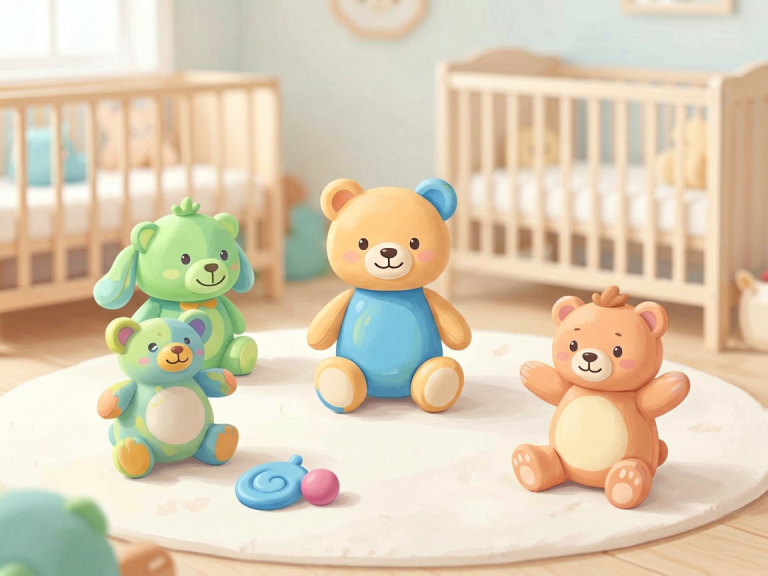
Infants (0–12 months): Soft, lightweight toys without small parts, no strings longer than 12 inches, no sharp edges. Look for teethers made of silicone or natural rubber, cloth books with high-contrast patterns, and rattles that are one-piece construction.
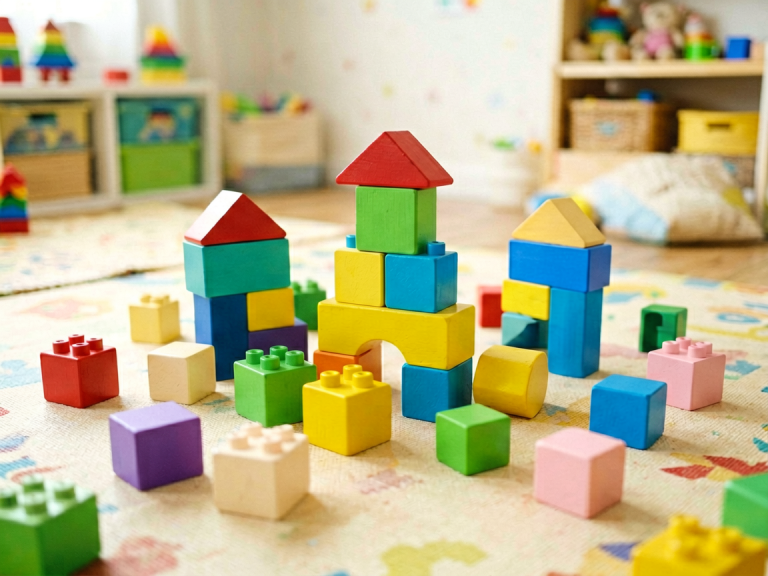
Toddlers (1–3 years): Sturdy wooden blocks, push-pull toys with short handles, shape sorters, and simple puzzles. Avoid toys with button batteries, magnets, or small detachable parts. Ensure ride-on toys have a low center of gravity to prevent tipping.
Preschoolers (3–5 years): Art supplies with AP seal, dress-up clothes without long ribbons or drawstrings, building sets with large pieces, and beginner board games. Supervise play with scissors and small beads.
School-age (5+ years): Science kits with safety goggles, crafting kits that require parental help, and sports equipment with proper protective gear. For older children, discuss online safety if the toy connects to the internet (smart toys, tablets).
Final Tips for a Safe Toy Shopping Trip
- Read labels thoroughly – don’t rely solely on pictures or marketing claims.
- Avoid toys with strong chemical odors – a “new toy smell” often indicates volatile organic compounds.
- Choose quality over quantity – a few well-made, safe toys provide more enrichment than dozens of cheap, potentially hazardous ones.
- Teach children to use toys properly – even the safest toy can become dangerous if misused (e.g., throwing, climbing on unstable structures).
- Stay updated – subscribe to recall alerts from the CPSC or your country’s consumer safety agency.
Remember that no toy is 100% risk-free, but by following this guide, you drastically reduce the chances of injury. The goal is not to wrap your child in bubble wrap, but to give them the freedom to explore, imagine, and grow within a safe environment. Happy—and safe—toy shopping!