Screen Time Solutions: A Parent’s Guide to Reducing Digital Exposure for Your 6-Year-Old
Introduction: Why Cutting Back Matters Now
At age six, children are in a critical window for developing social skills, physical coordination, and sustained attention. Yet many parents find themselves battling daily with a small tablet or TV remote. The American Academy of Pediatrics recommends no more than one hour of high-quality screen time per day for children aged 2–5, and consistent limits for older kids. But research also shows that the average six-year-old in many developed countries spends two to three hours daily in front of screens—often without active learning.
Excessive screen time at this age is linked to delayed language development, reduced empathy, sleep disruption, and a preference for passive entertainment over creative play. Reducing screen time isn’t about deprivation; it’s about reclaiming space for real-world experiences that build resilience, curiosity, and connection. This guide offers practical, tested strategies to help you gradually shift your six-year-old’s habits without daily power struggles.
—
1. Understand the “Why” Behind Their Screens
Before setting new rules, take a few days to observe your child’s screen behavior. Is it boredom? Social pressure from friends talking about a game? Habit after school? Or a way to wind down when tired?
For example, many six-year-olds watch videos because they don’t know what else to do. Others use a tablet as a pacifier during transitions (e.g., right after school). Identifying the trigger helps you replace the screen with a more appropriate activity rather than simply saying “no.”
Key insight: Screens often fill a gap—entertainment, comfort, or connection. Your job is to fill that gap with something better, not leave an empty space.
—
2. Set Clear, Consistent Boundaries (With Your Child’s Input)
Six-year-olds can understand simple rules if they are part of the conversation. Call a “family meeting” and explain: “Screens can be fun, but too much makes it hard for our bodies and brains to grow strong. Let’s decide together how we’ll manage screen time.”
Practical steps:
- Use a visual timer or traffic-light chart. A digital timer (or an old-fashioned kitchen timer) shows exactly when time is up. A red-yellow-green chart on the fridge can mark “screen free” hours (green = okay, yellow = 10–minute warning, red = stop).
- Designate screen-free zones. The dinner table, bedrooms, and the car (except for long trips) are ideal no-screen areas.
- Create a weekly schedule. For example: 30 minutes after school, 30 minutes after dinner on weekdays; up to one hour per day on weekends. Write it down and post it.
- Be specific about “high quality.” Choose shows and apps you have previewed that encourage problem-solving, creativity, or movement (e.g., drawing apps, age-appropriate puzzles, nature documentaries). Avoid autoplay and endless scrolling.
Important: Enforce the rules calmly but firmly. If your child whines, acknowledge the feeling: “I know you want to keep watching. It’s hard to stop. Let’s find a fun toy to play with instead.”
—
3. Fill the Void with Irresistible Offline Alternatives
A child won’t miss screens if the real world offers something more engaging. Stock your home with “screen-free excitement” that matches a six-year-old’s developmental stage.
Category ideas:
- Physical play: Balance beams (a line of painter’s tape on the floor), bubble-blowing, obstacle courses with pillows, a mini-trampoline, or “freeze dance” with music.
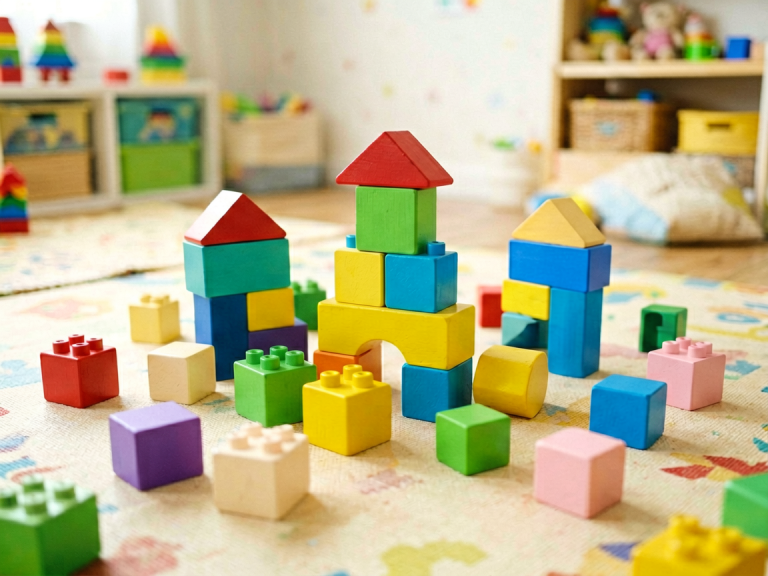
- Creative construction: Magnetic blocks, LEGO based on a challenge (“build the tallest tower that can hold a stuffed animal”), Play-Doh with cookie cutters, cardboard box forts.
- Imaginative role-play: Dress-up costumes (doctor, firefighter, chef), a “restaurant” where they take orders and serve pretend food, or a puppet show with socks.
- Outdoor adventures: Scavenger hunts (find a red leaf, a smooth rock, something that makes a sound), sidewalk chalk games, a small garden patch to water daily, or simply a blanket to lie on and watch clouds.
- Quiet solo activities: Water wow books, sticker mosaics, simple origami, “I spy” books, or audio stories (over headphones if needed).
Tactic: Keep a “boredom jar” filled with popsicle sticks each labeled with a fun activity. When your child asks for a screen, say, “Let’s pick one from the jar first!”
—
4. Model Healthy Screen Habits Yourself
Children learn far more from what you do than what you say. If you are scrolling your phone while telling them to “play outside,” your message loses credibility.
Actionable changes for parents:
- Set your own “phone-free” times—for example, the first hour after school and the last hour before bedtime.
- When your child is awake, keep your phone in another room or in a drawer unless you are making an important call.
- Explain what you are doing: “Mommy is checking a recipe, then I will put my phone away so we can read together.”
- Share your own screen boundaries. “I was looking at work emails for too long, so I’m going to go for a walk now.”
Remember: Your six-year-old is watching you. When they see you choosing a book, a conversation, or a walk, they internalize that these activities are valuable.
—
5. Handle Resistance and Relapses with Patience
Expect pushback, especially in the first week. Your child’s brain has been conditioned to expect a dopamine hit from screens. Withdrawal symptoms—crying, boredom complaints, negotiation attempts—are normal.
Strategies for tough moments:
- Stay calm and empathetic. “I know it feels unfair. It’s okay to be upset. I’ll sit with you until you feel better.”
- Use natural consequences. If they refuse to turn off the tablet, take away next day’s screen time (after giving one warning).
- Offer choices within limits. “You can either turn off the TV now and play LEGO, or we can read two stories first and then you turn it off. Which do you choose?”
- Celebrate small wins. A sticker chart can work well for a six-year-old. Five screen-free afternoons earn a special outing (park, library, baking together).
Reminder: Progress, not perfection. One rough day doesn’t mean failure. Just pick up the routine again tomorrow.
—
6. Gradually Reduce, Don’t Go Cold Turkey
If your child currently watches two hours per day, cutting to zero overnight will likely cause a meltdown—and parent burnout. Instead, aim for a 15-to-20-minute reduction each week until you reach your goal.
Example reduction plan (starting with 120 minutes/day):
- Week 1: 100 minutes/day. Replace the missing 20 minutes with a “family game time” after school.
- Week 2: 80 minutes/day. Introduce an outdoor activity or an audio story.
- Week 3: 60 minutes/day. Maintain with a consistent routine.
Alternative: Use a token system. Give your child three “screen tokens” per week (each token equals 20 minutes). They decide when to use them. This teaches planning and self-regulation.
—
7. Use Screens Strategically, Not as a Default
The goal isn’t to eliminate screens—they are part of modern life. The goal is to make screen time intentional, not automatic.
Ways to keep screens in their place:
- Watch or play together whenever possible. Co-viewing helps you monitor content and sparks conversation (“Why did that character make that choice?”).
- Limit screen time to after all other obligations (homework, chores, outdoor time).
- Connect screen time to learning: a nature documentary about butterflies can lead to a backyard butterfly-watching session.
- Avoid using screens as a reward for good behavior or as a punishment removal tool—this can overvalue them emotionally.
—
Conclusion: Small Steps, Big Changes
Reducing screen time for a six-year-old is not a quick fix—it is a lifestyle adjustment that requires consistency, creativity, and self-reflection as a parent. Every minute you reclaim from a screen is a minute you invest in your child’s physical health, emotional intelligence, and capacity for boredom—a vital skill that fuels imagination and problem-solving.
Start with one change this week: set a timer, create a boredom jar, or designate a screen-free zone. Notice how your child’s mood, sleep, and play quality improve over the next few days. And remember: you are not being “mean” by limiting screens. You are giving your child the gift of a richer, slower, more connected childhood.
*(Word count: approximately 1,150 words)*