The Power of Independent Play: Why Letting Kids Play Alone is Essential for Their Growth
Introduction
In a world increasingly dominated by structured activities, screen time, and adult supervision, the concept of independent play for children has become something of a lost art. Many parents feel compelled to constantly entertain their kids, organize playdates, or enroll them in endless extracurricular programs. Yet, research in child development consistently highlights the profound benefits of allowing children to engage in unstructured, self-directed play without adult interference. Independent play is not merely a convenience for busy parents—it is a critical component of healthy development. It fosters creativity, builds resilience, sharpens problem-solving skills, and nurtures a child’s sense of autonomy. This article explores why independent play matters, what children gain from it, and how parents can encourage it in a practical and loving way.
The Importance of Independent Play: More Than Just “Keeping Busy”
Independent play refers to any play activity that a child initiates and sustains without direct adult involvement. This might include building with blocks, drawing, pretending to be a superhero, or simply exploring the backyard. Unlike guided play or structured lessons, independent play is entirely child-driven. The absence of adult direction forces the child to rely on their own imagination, decision-making, and internal motivation.
From a developmental standpoint, independent play is essential because it gives children ownership of their experiences. When a child decides to build a fortress out of sofa cushions, they are not just passing time—they are learning to plan, execute, and adapt. They encounter obstacles (the cushions keep falling) and must devise solutions (add more pillows for stability). This process strengthens executive function skills, including self-regulation, focus, and cognitive flexibility. Moreover, independent play provides a safe space for children to process emotions. A child who creates a story about a lost puppy, for instance, may be working through feelings of loneliness or anxiety without needing to articulate them verbally.
Cognitive and Emotional Benefits: Building the Inner World
One of the most profound gifts of independent play is its ability to cultivate a rich inner life. When children are constantly entertained by screens or adults, they become passive consumers of stimulation. Independent play, by contrast, requires active mental engagement. A child who pretends to be a shopkeeper must remember the roles, invent dialogue, and create a narrative. This kind of imaginative play has been linked to enhanced language development, stronger narrative skills, and greater creativity later in life.
Emotionally, independent play nurtures resilience. When a child plays alone and a tower falls, there is no adult to immediately fix it or soothe frustration. The child must either rebuild, adjust the design, or choose a new activity. Over time, this builds tolerance for disappointment and the ability to self-soothe. Studies have shown that children who engage in regular independent play exhibit lower levels of anxiety and are better equipped to handle boredom—a skill increasingly rare in today’s hyper-stimulated society. Boredom, in fact, is often the catalyst for the most creative independent play; it forces the child to look inward and generate their own entertainment.
Social and Physical Development: Learning Through Solitude
While independent play is solitary, it paradoxically enhances social skills. How? Because when a child plays alone, they learn to regulate their own emotions and impulses. They also develop the capacity to enjoy their own company, which reduces clinginess and dependence on peers for validation. Later, when they do interact with other children, they are more likely to engage cooperatively rather than competitively, having already internalized the ability to share and negotiate within their own private play scenarios.
Physically, independent play often involves gross motor movement—climbing trees, running, jumping, or balancing. Unlike organized sports, where an adult dictates rules, independent physical play lets children test their own limits. They discover how high they can climb, how fast they can run, and what happens when they fall. This self-directed risk assessment is crucial for developing body awareness and confidence. Pediatric occupational therapists frequently note that children who lack independent outdoor play often have weaker core strength, poor balance, and reduced proprioception (the sense of body position).
How to Foster Independent Play: Practical Strategies for Parents
Encouraging independent play does not mean abandoning your child to fend for themselves. It requires intentional preparation and a shift in mindset. Here are actionable steps:
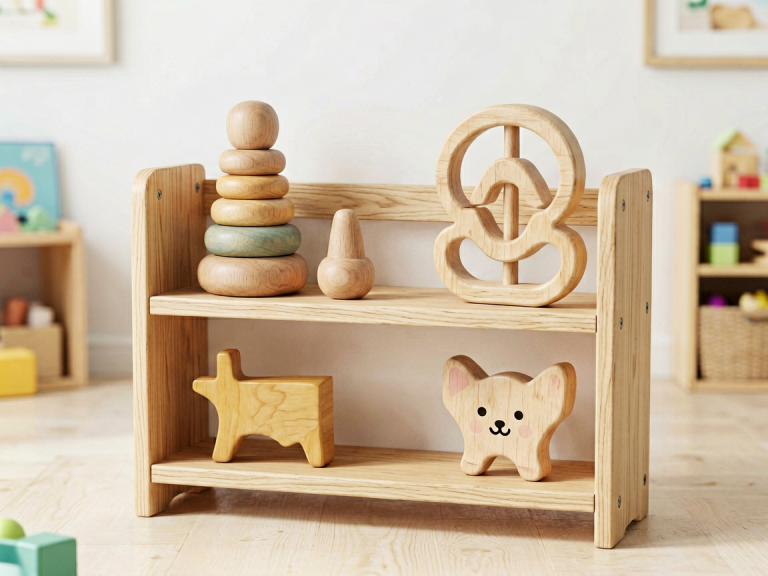
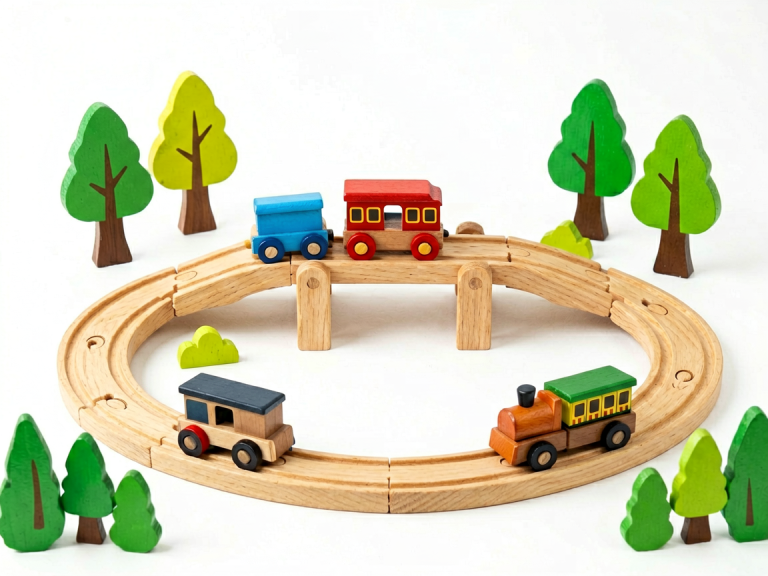
- Create a “Yes” Space – Designate an area in your home where the child can play freely without constant “don’t touch that” warnings. Remove breakable items, cover electrical outlets, and provide open-ended toys like blocks, art supplies, dress-up clothes, and cardboard boxes. The simpler the toys, the more imagination is required.
- Start Small and Be Present – For toddlers, independent play may last only five minutes. Sit nearby, reading a book or doing quiet work, so your presence offers security without intervention. Gradually increase the duration as the child becomes more absorbed.
- Resist the Urge to Interrupt – When a child is deeply engaged in play, do not praise, correct, or offer suggestions. Interruptions break their concentration and reinforce the idea that adult approval is needed. Instead, observe quietly and trust the process.
- Limit Screen Time – Screens are the enemy of independent play because they provide passive, high-stimulation entertainment. Set clear boundaries (e.g., no screens until after an hour of free play). Boredom is your ally; let it arise.
- Model Independent Activity – Children learn by imitation. If they see you reading, gardening, or doing a puzzle alone, they internalize that solitude is normal and enjoyable. Avoid hovering or multitasking with your phone while they play.
- Respect Their Choices – If your child wants to play with the same toy for weeks, let them. Repetition is how mastery develops. Avoid pushing them toward “educational” toys if they prefer imaginative play.
Overcoming Common Challenges
Many parents worry that independent play might indicate loneliness or that their child does not want to be with them. In reality, a child who plays independently is demonstrating healthy attachment; they feel secure enough to explore the world on their own terms. However, some children are more resistant to solitary play than others. Highly social or anxious children may initially protest. Here’s how to handle common obstacles:
- The Clingy Child – Start with parallel play: you do a quiet activity beside them, then gradually move a few feet away. Use a timer: “I’m going to the kitchen for five minutes, and you can play here. When the timer rings, I’ll come back.” This builds trust.
- The “I’m Bored” Complaint – Instead of providing solutions, ask open-ended questions: “What do you think you could do?” or “Remember that box of blocks you haven’t touched?” You can also keep a “boredom jar” with written activity ideas (but steer clear of screen ideas).
- Sibling Dynamics – If you have multiple children, independent play can be even harder. Designate solo time for each child while the other has a separate activity. This prevents over-dependence on siblings for entertainment.
Conclusion: The Long-Term Gift of Self-Sufficiency
Independent play is not a luxury; it is a fundamental building block of childhood. In a society that often equates busyness with productivity and constant interaction with connection, giving children the gift of solitude may feel counterintuitive. Yet, the children who learn to entertain themselves are the ones who grow into adults capable of deep focus, creative thinking, and emotional self-reliance. They understand that they do not need external validation to enjoy life. They know how to sit with their own thoughts, how to solve problems without a manual, and how to find joy in simple, unscripted moments.
Parents who prioritize independent play are not neglecting their children—they are empowering them. So the next time your child is happily building a fort alone, resist the urge to join in. Instead, smile, step back, and let them discover the world on their own terms. That quiet, focused child is not lonely; they are learning the most important lesson of all: how to be their own best companion. And that skill will serve them for a lifetime.