The Power of Solo Play: A Parent’s Guide to Fostering Independent Play in Children
Introduction
As a parent, you’ve probably heard the phrase “independent play” tossed around in parenting circles, on blogs, and even from pediatricians. But what does it really mean, and why should you care? In a world where children are constantly entertained by screens, structured activities, and adult-led interventions, independent play has become something of a lost art. Yet it is one of the most valuable gifts you can give your child. Independent play—time when a child amuses themselves without direct adult involvement—builds creativity, problem-solving skills, emotional resilience, and self-confidence. It also gives you, the parent, a precious break to breathe, cook dinner, or simply enjoy a few minutes of silence.
This guide is designed to help you understand the science behind independent play, offer practical strategies for encouraging it at different ages, and address the common obstacles that parents face. Whether you have a toddler who clings to your leg or a school‑age child who constantly demands your attention, these insights will transform your home life and your child’s development.
—
Why Independent Play Matters
Before diving into the “how,” it’s essential to grasp the “why.” Independent play is not just about keeping children busy; it is a critical developmental activity.
Cognitive Development
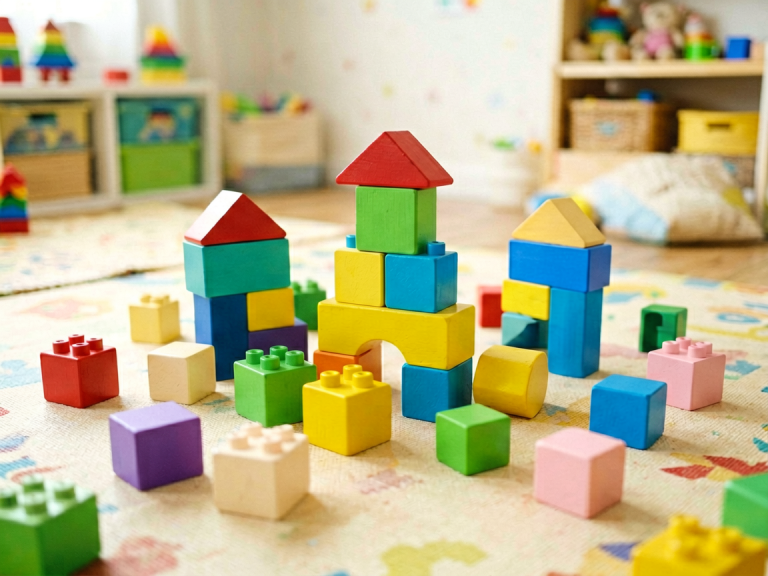
When children play alone, they must make decisions, experiment with cause and effect, and solve problems on their own. A toddler stacking blocks and watching them fall is learning physics; a preschooler creating a story with toy animals is practicing narrative thinking; an older child building a complex Lego structure is honing spatial reasoning and perseverance. Without an adult directing the play, the child’s brain is actively engaged in self‑directed learning.
Emotional and Social Benefits
Solo play teaches children how to manage boredom, frustration, and other difficult emotions. When a puzzle piece doesn’t fit, the child must decide whether to try again, ask for help (if that is allowed), or move on to something else. This self‑regulation skill is the foundation of emotional intelligence. Moreover, independent play gives children a sense of agency and pride: “I did this by myself.” That feeling of accomplishment builds self‑esteem.
Attention and Focus
In an era of constant notifications and rapid screen switches, deep focus is becoming rare. Independent play encourages children to engage with one activity for an extended period, training their attention span. This ability to concentrate will benefit them enormously when they enter school and later in adult life.
Parental Sanity
Let’s not overlook the practical side. A child who can play on their own for 20–30 minutes (or longer) gives parents time to accomplish tasks, rest, or simply enjoy a moment of quiet. This reduces parental stress and improves the overall family dynamic. Independent play is a win‑win.
—
How to Encourage Independent Play by Age
The approach to independent play must be tailored to the child’s developmental stage. What works for a six‑month‑old will not work for a six‑year‑old. Here is an age‑by‑age guide.
Infants and Young Toddlers (0–18 Months)
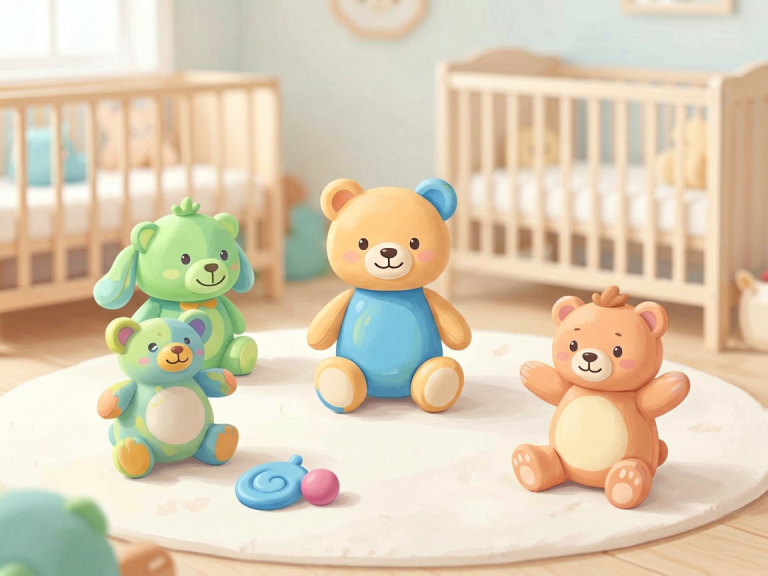
At this stage, independent play looks very different. An infant can lie on a play mat and look at a mobile for a few minutes. A young toddler might explore a safe basket of rattles and soft toys. The key is safe, supervised independence.
- Create a safe space: Use a playpen or a gated area with age‑appropriate toys that cannot be swallowed or cause injury. No small parts.
- Start small: Even 2–3 minutes of solo exploration is a success. Gradually increase the time as your baby grows.
- Be present but passive: Sit nearby, perhaps reading a book yourself, but do not initiate interaction. Let your baby discover the toys on their own. Only intervene if they become distressed or unsafe.
- Rotate toys: Babies get bored quickly. Keep a small selection of toys out and swap them every few days to maintain novelty.
Older Toddlers and Preschoolers (18 Months – 4 Years)
This is the golden age for building independent play habits. Toddlers have more motor skills and imagination, but they also have strong attachment needs.
- Use the “play invitation” method: Set up a simple, attractive activity before your child starts playing. For example, place a few blocks, a small car, and a wooden animal on the floor. Don’t instruct—just leave it there. Your child will naturally be drawn to it.
- The “10‑minute rule”: For many toddlers, the hardest part is starting. If your child is clingy, try this: “I’m going to read my book for 10 minutes while you play. I’ll be right here. When the timer rings, we can do something together.” Use a visual timer (like a sand timer or a kitchen timer with a clear display). After a few days, increase to 15 minutes.
- Acknowledge their play without directing: When your child shows you something they built, say “I see you made a tall tower!” instead of “Why don’t you add a roof?” Praise the process, not the product.
- Expect regression: On days when your child is tired, sick, or stressed, they may need more connection. That’s normal. Don’t force independent play on hard days.
Early School‑Age Children (5–7 Years)
These children can manage longer periods of solo play, but they may still struggle with boredom or loneliness.
- Introduce open‑ended materials: Art supplies, building sets, dress‑up clothes, and nature objects (sticks, stones, leaves) foster creativity. Avoid toys that do everything for the child.
- Teach them how to find ideas: If your child says “I’m bored,” help them brainstorm a list of possible activities (have a “boredom jar” filled with simple ideas). Then let them choose and execute alone.
- Set up a “morning time” or “afternoon quiet time”: A daily block of 30–60 minutes where the whole family engages in quiet, independent activities. This normalizes solo time.
- Respect their focus: If your child is deeply engaged in a project, do not interrupt for snacks or chores unless absolutely necessary. Let them finish their flow.
Older Children (8+ Years)
By this age, children have the cognitive ability to plan and execute complex projects independently. However, they may also have homework, extracurriculars, and screen temptations.
- Encourage long‑term projects: A model kit, a homemade board game, or a garden plot. These require sustained independent effort over days or weeks.
- Limit screens deliberately: Screens often replace independent play with passive consumption. Create a rule that screen time comes after an hour of active, non‑screen independent play.
- Give them ownership of their space: Let them organize their playroom or bedroom corner. When a child feels ownership, they are more likely to use it.
- Model independent time: Children imitate parents. If you regularly read, garden, or engage in a hobby by yourself, they will see that solo time is valuable.
—
Creating a Play‑Friendly Environment
The physical environment plays a huge role in whether your child chooses independent play.
Less is more. A room overloaded with toys can overwhelm a child. Keep only a few categories of toys visible: building toys, pretend‑play props, art supplies, and puzzles. Rotate them every two weeks.
Low shelves and accessible storage. If your child can reach their toys without your help, they are more likely to initiate play. Use open bins with pictures for pre‑readers.
A designated “yes” space. Especially for toddlers, create an area where nothing is off‑limits (within safety). When children hear “no” constantly, they become hesitant. A playpen or gated living room with only safe items encourages exploration.
Eliminate distractions. Turn off the TV and put away your phone during independent play times. Your child will be less distracted, and they will also learn that this time is for focused play, not background noise.
—
The Parent’s Role: Observer vs. Intervener
One of the hardest shifts for parents is learning when to step in and when to stay silent.
Observe first. Before jumping in to “fix” a problem—like a puzzle piece that won’t fit—give your child at least 30 seconds to struggle. That struggle is where the learning happens.
Use the “sportscaster” technique. Describe what you see without judgment: “You are trying to put the green block on top, but it keeps falling.” This makes your child feel seen without interrupting their problem‑solving process.
Rescue only when safety or extreme frustration is involved. If a child is sobbing in genuine distress, comfort them. If they are just grunting with effort, let them persevere. You can offer simple prompts: “I wonder if that piece turns a different way?”
Avoid praise overload. Constant praise like “Good job!” can make a child dependent on external validation. Instead, use specific, non‑evaluative comments: “You spent a long time on that drawing. I can see the details you added.”
—
Overcoming Common Challenges
Even with the best intentions, parents face obstacles. Here are solutions to the most frequent problems.
“My child refuses to play alone at all.”
Start with parallel play: you sit next to your child and do your own quiet activity (e.g., knitting, reading) while they play. Gradually increase the physical distance over days. Also check if your child is over‑scheduled or overtired—they may need more rest or downtime.
“My child only wants screens.”
Screens are addictive by design. Reduce screen access gradually, not cold turkey. Replace it with highly appealing alternatives: a new sensory bin, a fort‑building kit, or a special art project. Be firm and consistent.
“I feel guilty when I don’t play with my child.”
Many parents feel pressure to be constant entertainers. Remember that independent play is a skill your child needs to learn. By stepping back, you are not neglecting them; you are teaching them self‑reliance. Your presence nearby is enough.
“My child is a clingy toddler. How do I start?”
Use the “chair” method: Sit in the same room, but on a chair, not on the floor. Slowly move the chair farther away each day. Let your child come to you for “refueling” hugs, then return to play. This gradual separation works wonderfully.
—
Conclusion
Independent play is not about leaving your child to fend for themselves; it is about giving them the tools and space to thrive on their own terms. It is a gift of autonomy, creativity, and confidence that will serve them for a lifetime. And for you, it is a chance to reclaim small pockets of peace in a busy life.
Start small. Today, try just five minutes of uninterrupted solo time. Observe your child’s face as they discover a new way to stack blocks or arrange cars. Notice the satisfaction in their eyes. That is the beginning of a beautiful journey—one where your child learns to enjoy their own company, and you learn to trust their capabilities. The guide is here; the rest is up to you and your little explorer.