The Ultimate Playroom Organization Checklist: Transform Chaos into Creativity
A playroom is a magical space where imagination runs wild, where building blocks become castles, and where crayons bring entire worlds to life. Yet, without a proper system, that same room can quickly devolve into a chaotic sea of toys, puzzle pieces, and mismatched socks. The secret to preserving the magic lies not in having fewer toys, but in creating an environment that invites creativity while minimizing clutter. This comprehensive playroom organization checklist will guide you through every step of the process—from initial decluttering to long-term maintenance—ensuring that your playroom remains a joyful, functional, and safe haven for your children.
1. Declutter and Sort: The Foundation of Order
Before you can organize, you must first purge. This step is the most emotionally taxing yet the most transformative. Begin by emptying the entire playroom—every bin, every shelf, every hidden corner. As you sort, adopt a mindset of “quality over quantity.” Children are often overwhelmed by too many choices, and a curated selection of toys actually promotes deeper, more focused play.
Sort into four clear categories:
- Keep: Toys that are currently loved, age-appropriate, and in good condition. Be honest with yourself—if a toy hasn’t been touched in six months, it probably doesn’t belong here.
- Donate: Gently used toys that your child has outgrown but could bring joy to another family. Involve your child in this process to teach generosity.
- Trash/Recycle: Broken toys, missing pieces, and items that are beyond repair. Dispose of them responsibly.
- Store: Sentimental items or toys for future ages (e.g., baby rattles if you plan to have more children). Store these in clearly labeled bins in a closet or attic.
Pro tip: Use a “maybe” box. Place borderline toys in a sealed container and hide it for one month. If no one asks for them, donate the entire box without opening it.
2. Zone Planning: Create Functional Areas
Once you have a streamlined collection of toys, it’s time to think about how your child actually plays. Children thrive on routine and predictability, so dividing the room into distinct activity zones helps them understand where each type of play belongs. This also makes cleanup easier because every item has a designated home.
Consider these typical zones:
- Creative Arts Zone: Dedicated to drawing, painting, sculpting, and crafting. Place this near a washable surface or a table, and keep all supplies (paper, crayons, glue, scissors) within easy reach. Use a rolling cart or a caddy for portable art materials.
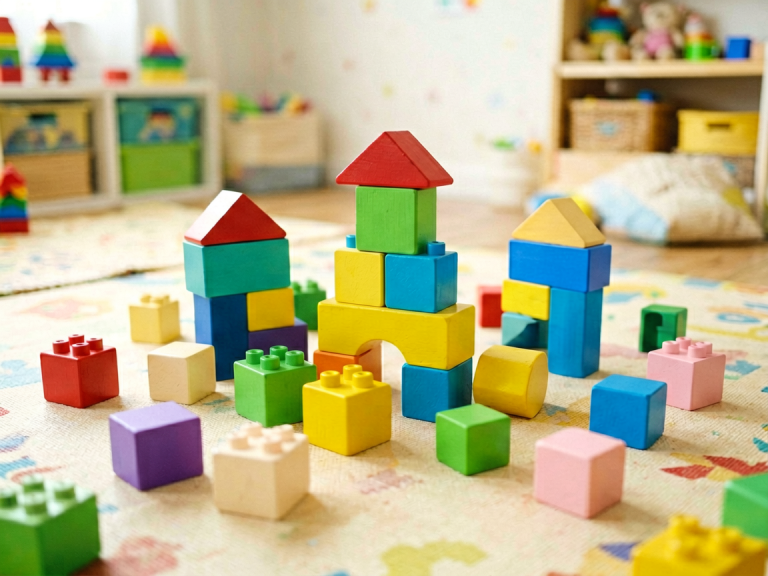
- Building and Construction Zone: For blocks, LEGOs, magnetic tiles, and puzzles. A low table or a large floor mat works well here. Store small pieces in clear, stackable containers so children can see what’s inside without dumping everything.
- Quiet Reading Nook: A cozy corner with a bookshelf, soft pillows, and good lighting. Rotate books seasonally to keep the selection fresh. This zone encourages calm, independent play and is essential for winding down.
- Active Play Zone: For ride-on toys, balls, tunnels, and dress-up costumes. If space allows, install a small indoor slide or a mini trampoline. Keep this area open and clear of tripping hazards.
- Dramatic Play Zone: For kitchen sets, dollhouses, tool benches, and puppet theaters. This zone invites social interaction and storytelling. Use a cubby system to organize pretend-play accessories.
Label each zone with a simple icon (a paintbrush for art, a book for reading) so even non-readers can identify where things belong.
3. Storage Solutions: Containers, Shelves, and Labels
The right storage is the backbone of any organized playroom. But not all storage is created equal. You need systems that are both child-friendly and parent-practical. The golden rule: make it easy for children to put away their own toys.
Vertical storage: Install low, open shelving units. Avoid deep bins where items get lost. Instead, use shallow, clear plastic bins or fabric baskets. Clear containers allow children to see contents at a glance, reducing the temptation to dump everything out.
Labeling is non-negotiable. Use large, bold text combined with pictures. For younger children, take a photo of the toys that belong in each bin and tape the photo to the front. For older kids, simple word labels work. Label every shelf, cubby, and drawer. This turns cleanup into a matching game rather than a chore.
Rotation system: You don’t need to display all toys at once. Store half of the toys in labeled bins in a closet or under a bed. Every two to four weeks, swap them out. This “toy rotation” keeps the playroom feeling new and rekindles interest in forgotten toys. It also dramatically reduces the volume of clutter in the room at any given time.
Specialty storage:
- For LEGOs: Use a large, shallow tray with dividers or a dedicated LEGO table with storage underneath.
- For art supplies: A wall-mounted pegboard with cups and hooks keeps brushes, scissors, and ribbons organized and visible.
- For stuffed animals: A hammock in a corner or a mesh storage bag hung from a hook saves floor space and turns them into a decorative feature.
4. Safety and Accessibility
Organization is pointless if the space isn’t safe or if children can’t access their own materials without help. Design the playroom with the user—your child—in mind.
Safety checklist:
- Secure all heavy furniture (bookshelves, dressers, cabinets) to the wall using anti-tip anchors.
- Cover electrical outlets with safety plugs or covers.
- Ensure that cords from blinds or lamps are out of reach.
- Use corner guards on sharp furniture edges.
- Choose non-toxic, washable materials for art supplies and storage bins.
- Keep small objects that pose choking hazards (for children under three) in high, locked cabinets.
Accessibility tips:
- Place the most frequently used toys at your child’s eye level—no higher than their shoulder height.
- Use lazy Susans or turntables in cabinets to make items easy to reach without climbing.
- Provide a low table or a floor-level surface for activities so children can work independently.
- Install a step stool if necessary, but always supervise.
Consider the flow of traffic. Ensure there is a clear path between zones. Avoid placing furniture in the center of the room that might block movement. An organized playroom should feel open and inviting, not cramped.
5. Maintenance Routine: Keeping It Organized
The most beautifully organized playroom will return to chaos within a week without a sustainable maintenance routine. The key is to make tidying up a habit rather than a weekend chore. Develop a simple, consistent system that your whole family can follow.
Daily reset: At the end of each day, spend 10 minutes doing a “reset.” This means returning all items to their labeled homes, wiping down surfaces, and sweeping the floor. Involve your child by setting a timer and turning it into a race or playing cleanup music.
Weekly checklist:
- Check the “maybe” box and decide if any toy should be removed.
- Rotate one or two toy categories (e.g., swap the building toys with the ones in storage).
- Dust shelves and wipe down bins.
- Inspect toys for damage or missing pieces. Repair what you can, discard what you can’t.
- Refill art supplies and restock paper, batteries, etc.
Seasonal deep clean: Every three to four months, repeat the full declutter process. Children’s interests change rapidly, and what was a favorite toy last season may now be ignored. Be ruthless with yourself—don’t hold onto toys out of guilt or nostalgia. The goal is a playroom that supports your child’s current development stage.
Involve your child in the process. Even toddlers can help sort toys into bins or wipe down shelves. As they grow, give them more responsibility: assign them to be the “playroom manager” for a week, responsible for ensuring everything is returned to its proper place. This teaches ownership and pride in their space.
Conclusion: The Real Gift of Organization
A well-organized playroom is not about perfection—it is about freedom. When children can easily find what they need, they are more likely to engage in deep, imaginative play. When cleanup is simple, they develop lifelong habits of responsibility. When parents can walk into the room and see a tidy space, they feel calmer and more present.
Remember: the ultimate playroom organization checklist is not a one-time project but a living document that evolves with your family. Adapt it to your child’s age, your space constraints, and your family’s rhythm. The end result is a room that fosters creativity, reduces stress, and gives you all more time to play—together.