Unplugged Wonder: A Comprehensive Guide to Screen-Free Activities for 2-Year-Olds
Introduction
In an era where digital devices are embedded in nearly every aspect of daily life, the temptation to hand a toddler a tablet or smartphone for a few minutes of quiet is powerful. Yet research consistently shows that excessive screen time for children under three can hinder language development, reduce attention span, and limit opportunities for hands-on sensory exploration. Two-year-olds are at a critical stage of brain development—their neural pathways are forming at lightning speed, and every interaction with the real world builds the foundation for cognition, motor skills, and emotional regulation. Screen-free activities are not merely a nostalgic alternative; they are essential for fostering curiosity, creativity, and the kind of deep learning that only tactile, social, and physical experiences can provide. This guide offers a rich collection of no-screen ideas that engage a toddler’s whole being—from wiggly toes to busy fingers to a growing imagination. Each activity is designed to be safe, simple, and joyful, turning everyday moments into powerful opportunities for growth.
Sensory Play: Engaging the Five Senses
Two-year-olds are natural sensory explorers. Their brains are wired to learn through touch, smell, sound, sight, and taste. Sensory play activities not only captivate their attention but also strengthen neural connections and support emotional regulation by providing calming, repetitive input.
*Water Play:* Fill a shallow plastic tub with lukewarm water and add a few drops of food coloring. Provide plastic cups, spoons, funnels, and small floating toys. Let your toddler pour, scoop, and splash. The feeling of water running through fingers is mesmerizing, and the cause-and-effect of pouring teaches early physics concepts. Always supervise closely—never leave a toddler alone near water, even shallow.
*Sensory Bins:* Use a large, low container filled with dry rice, uncooked oatmeal, or washed play sand. Add scoops, small cars, plastic animals, or empty containers. Encourage your child to dig, bury, and discover. This activity develops fine motor control as they grasp and release objects. For an added olfactory element, mix in a pinch of cinnamon or dried lavender (if your child is not prone to putting things in their mouth).
*Play Dough Exploration:* Homemade play dough (flour, salt, water, oil, cream of tartar) is soft, pliable, and non-toxic. Roll it into balls, flatten it with a toy rolling pin, or press in safe items like large beads, plastic forks, or cookie cutters. Two-year-olds adore squishing and poking. The resistance of the dough strengthens hand muscles needed later for writing. Keep it in an airtight container for repeated use.
*Finger Painting:* Spread a dollop of washable, non-toxic finger paint on a highchair tray or a piece of paper taped to the table. Let your toddler smear, dot, and swirl. The sensation of cool, slippery paint is a thrilling tactile experience. Use just one or two colors to avoid overwhelming them. Dress them in old clothes or a smock, and prepare for mess—which is a sign of authentic learning.
Gross Motor Activities: Building Strength and Coordination
At age two, children are refining their ability to run, jump, climb, and balance. Large muscle movements improve body awareness, spatial skills, and confidence. These activities channel their endless energy in productive ways.
*Indoor Obstacle Course:* Use pillows, couch cushions, and large cardboard boxes to create a simple course. Encourage your toddler to crawl under a table, step over a row of pillows, and climb onto a low, stable stool. You can add a tunnel made from a blanket draped over chairs. The challenge of navigating different surfaces builds motor planning and coordination.
*Ball Games:* A soft, lightweight ball is a wonderful tool. Roll it back and forth on the floor while sitting across from your child. This simple game teaches turn-taking and visual tracking. As they gain skill, try gently tossing the ball into a large laundry basket—a precursor to basketball. Kicking a ball outdoors helps develop leg strength and balance.
*Dancing and Free Movement:* Put on a playlist of lively, child-friendly music and dance together. Encourage your toddler to stomp, wiggle, spin, and wave their arms. You can lead simple actions like “jump up high” or “march like a bear.” Dancing stimulates the vestibular system, which is crucial for balance, and it’s a wonderful emotional outlet.
*Push-and-Pull Toys:* A sturdy wagon to pull, a toy shopping cart to push, or a small wheeled animal on a string provides resistance that strengthens core and leg muscles. Walking backwards while pulling a toy also enhances coordination. These toys give toddlers a sense of purpose as they “transport” blocks or stuffed animals from one room to another.
Fine Motor Skills: Small Hands, Big Achievements
The development of small muscles in the hands and fingers is essential for tasks like buttoning, using utensils, and eventually writing. Two-year-olds are ready for activities that require precision and control.
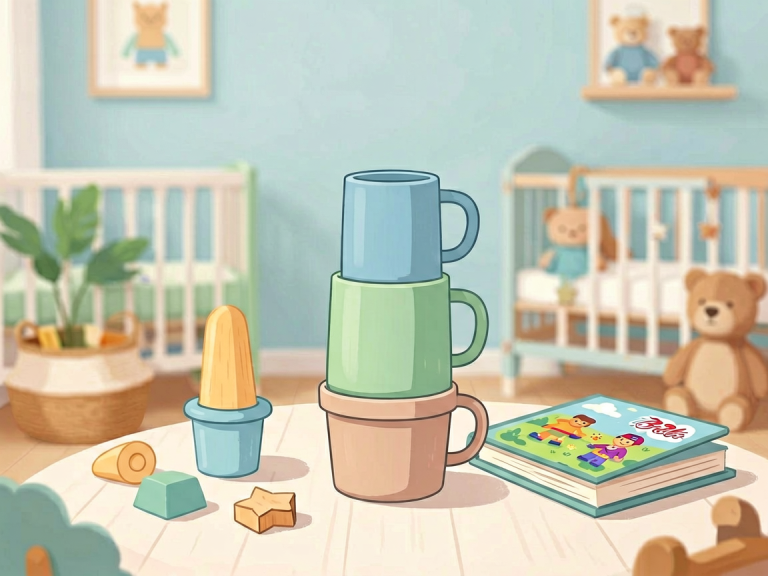
*Stacking and Nesting:* A set of nesting cups or stacking rings is a classic for a reason. Your child will experiment with size order, learn to balance, and experience the satisfaction of a tower that stands—or crashes. Wooden blocks of various shapes also invite building and knocking down, which teaches spatial relationships.
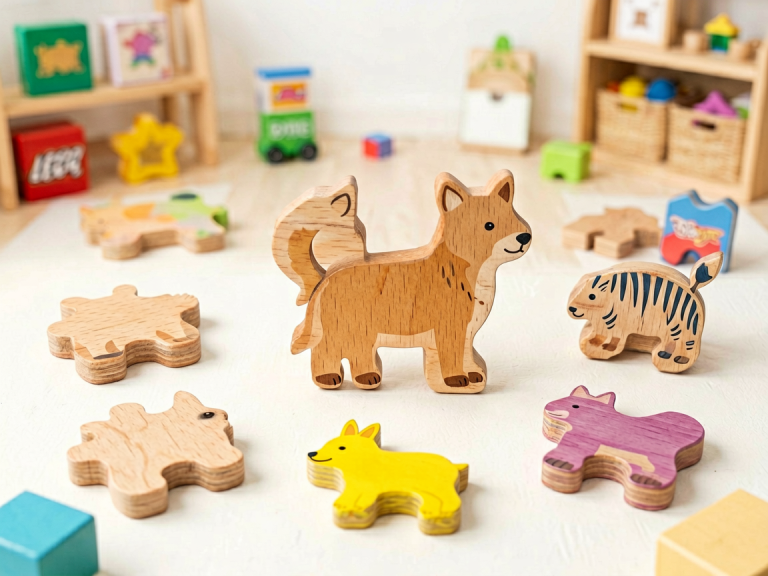
*Puzzles with Large Knobs:* Choose wooden puzzles with pieces that have chunky knobs or handles. Start with simple shapes or single-image animal puzzles. As your toddler fits each piece into its slot, they practice hand-eye coordination and problem-solving. Praise the effort, not just the success, to build perseverance.
*Threading and Lacing:* Offer large wooden beads or flat pasta shapes (like penne) and a shoelace with a taped end. Supervise carefully to avoid choking hazards. Threading requires bilateral coordination—using both hands together—and intense focus. If beads are too challenging, try threading a piece of yarn through a colander’s holes; it’s easier and still develops fine motor control.
*Tearing and Crumpling:* Give your child old magazines or scrap paper and let them tear it into strips. The motion of tearing strengthens finger muscles. Then show them how to crumple the pieces into balls and toss them into a basket. This provides both fine motor work and gross motor throwing fun.
Creative Expression: Art without Screens
Art for a two-year-old is about process, not product. It’s the feel of a crayon, the surprise of a mark, and the joy of making something happen. No screens needed—just a few simple tools.
*Crayons and Chalk:* Provide chunky, non-toxic crayons that are easy for small hands to grip. Tape a large sheet of butcher paper to the floor or to an easel. Let your toddler scribble freely. The random lines and circles are the first steps toward representational drawing. Sidewalk chalk outdoors offers a different texture and scale.
*Sticker Play:* Purchase large, reusable stickers (or use dot stickers). Draw a simple shape on a piece of paper and ask your child to place stickers inside it. Peeling stickers off the sheet works the pincer grasp, and placing them requires hand-eye coordination. It’s also very satisfying for a toddler to see the paper become colorful.
*Collage with Safe Materials:* Spread a thin layer of glue on a piece of cardboard. Offer torn fabric scraps, large safety scissors (for you to cut shapes), dry leaves, or tissue paper squares. Show your toddler how to press the items onto the glue. The sensory variety of textures—soft, rough, crinkly—enhances the experience.
Outdoor Adventures: Nature’s Classroom
The outdoors is a rich, ever-changing environment that stimulates all senses without any batteries. Fresh air and natural light improve mood and sleep, and the open space encourages vigorous movement.
*Nature Walks and Collection:* Go for a slow stroll around the backyard or a park. Let your toddler pick up leaves, acorns, pebbles, or sticks (avoid small items that might be mouthed). Talk about what you see: “Look at the big green leaf!” or “Feel the rough bark.” Collect treasures in a small bucket, then sort them later at home.
*Digging and Pouring:* Give your toddler a child-sized shovel and a cup in a sandbox or a patch of dirt. Digging is a whole-body activity that builds strength. Pouring sand into a container introduces concepts of volume and gravity. If no sand is available, a patch of soil and a small watering can (with water) provide similar joy.
*Water Table or Sprinkler:* On warm days, set up a small plastic pool or water table. Add cups, water wheels, and floating toys. The resistance of water and the sensation of splashing offer proprioceptive input. For non-messy fun, simply run a sprinkler on the grass and let your child run through it.
*Ride-On Toys:* A balance bike, tricycle, or push car encourages leg strength and coordination. Even if your toddler just pushes with their feet on a balance bike, they are developing the sense of balance needed for later cycling. Riding on a slight slope adds a new challenge.
Language and Storytelling: Building a Love for Words
Screen-free time is ideal for oral language development. Two-year-olds learn vocabulary and sentence structure through real conversations, songs, and stories—not through passive video watching.
*Board Books and Interactive Reading:* Choose durable board books with bright, clear pictures. Read with expression, pointing to objects and naming them. Ask simple questions: “Where’s the dog?” Pause to let your child point or babble a response. The physical act of turning pages (with supervision) builds fine motor skills and book-handling awareness.
*Nursery Rhymes and Finger Plays:* Sing songs like “Twinkle, Twinkle, Little Star” or “Itsy Bitsy Spider” while incorporating hand motions. These songs link language with motor actions, strengthening memory and vocabulary. Repeat the same songs often—repetition is comforting and reinforces learning.
*Felt Board Stories:* Create simple felt shapes (or buy a set) to act out familiar stories like “The Three Little Pigs” or “Goodnight Moon.” Move the pieces on the board as you narrate. Two-year-olds love watching the story come to life, and they may eventually want to move the pieces themselves.
*Puppet Play:* Use a simple hand puppet (or a sock with button eyes) to have a “conversation” with your child. Make the puppet ask your toddler questions, pretend to sneeze, or express happiness. This playful interaction boosts engagement and encourages vocalization.
Pretend Play: Imagination Unleashed
Around age two, children begin to engage in symbolic play—pretending one object stands for another. This is a cognitive leap that builds creativity, social skills, and problem-solving.
*Dress-Up Box:* Fill a small bin with scarves, hats, loose-fitting clothing, and child-safe accessories like plastic sunglasses or a toy necklace. Let your toddler choose a hat and a scarf and “become” a firefighter, a princess, or a kitty. Dress-up encourages language as they narrate their role.
*Play Kitchen and Food:* A toy kitchen with plastic pots, pans, and play food invites imitation of daily routines. Let your toddler “cook” a pretend meal by stirring a pot, then “serve” you a plate of plastic carrots. This simple activity teaches sequencing, vocabulary, and social reciprocity.
*Toy Cars and Ramps:* Build a ramp from a piece of cardboard propped on a stack of books. Send toy cars racing down. Your toddler will experiment with different angles and speeds. They may also enjoy pushing cars through a tunnel made from a cardboard tube. This play builds cause-and-effect understanding.
*Stuffed Animal Tea Party:* Arrange a few stuffed animals around a small table. Set out plastic cups and pretend food. Encourage your toddler to pour tea, share snacks, and talk to the animals. This nurtures empathy and early storytelling skills.
Tips for Parents: Making Screen-Free Time Successful
Transitioning to more analog play can feel daunting, but a few strategies make it easier.
*Create a Routine:* Set aside specific times of day for screen-free play—e.g., after breakfast or before lunch. Predictability helps a toddler feel secure and reduces resistance.
*Rotate Toys:* Instead of offering all toys at once, rotate a small selection every few days. This keeps the materials novel and interesting without overwhelming your child.
*Get Involved:* Two-year-olds often need a play partner. Sit beside them, narrate what they’re doing, and offer gentle guidance. Your presence is more valuable than any toy.
*Let Them Lead:* Follow your child’s interests. If they’re obsessed with a certain truck, incorporate that truck into a sensory bin or a ramp activity. Child-led play deepens engagement.
*Embrace the Mess:* Mess is a sign of learning. Cover surfaces, dress for mess, and accept that your floor will occasionally be covered in rice or paint. Cleanup can even become part of the activity—give your toddler a damp sponge and let them help wipe.
Conclusion
Choosing screen-free activities for your two-year-old is an act of love and intention. It says, “I want you to experience the world directly—with your hands, your feet, your voice, and your heart.” These simple, joyful interactions build not only skills but also the bond between you and your child. In a world that constantly pushes digital distraction, offering a toddler the gift of unstructured, real-world play is one of the most powerful things a parent can do. The mess may be real, but the memories—and the development—are even more so. So put the device away, roll up your sleeves, and join your little one in the wonderful, messy, screen-free adventure of growing up.