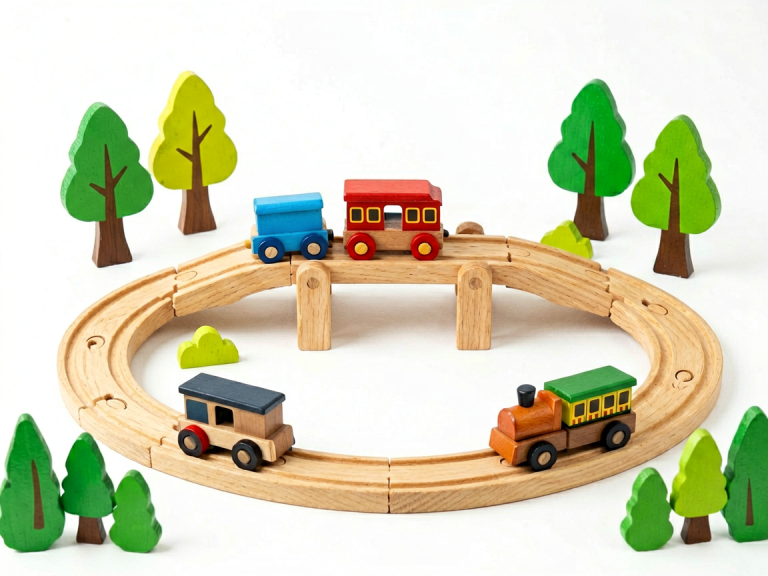
The Power of Pretend: Enriching Play Activities for Kindergarteners
In the bustling world of early childhood education, few experiences are as universally cherished—and as profoundly developmental—as pretend play.
Read MoreCategory
What learning through play actually means, why it beats flashcards, and how to do it at home without buying a thing.
282 articles
In the bustling world of early childhood education, few experiences are as universally cherished—and as profoundly developmental—as pretend play.
Read More
Pretend play, also known as imaginative or symbolic play, is a cornerstone of early childhood development.
Read More
Pretend play is far more than just a cute pastime for toddlers—it is a cornerstone of early childhood development.
Read More
At first glance, the idea of "pretend play" for a 13-year-old might seem childish or out of place. After all
Read More
Beyond Make-Believe: Engaging Pretend Play Activities for 12-Year-Olds That Foster Creativity, Empathy, and Critical Thinking
Read More
Pretend play is often associated with toddlers and preschoolers—little ones dressing up as superheroes or hosting tea parties with stuffed animals.
Read More
Pretend play is often associated with toddlers and preschoolers—children who dress up as superheroes, talk to imaginary friends
Read More
At first glance, pretend play might seem like a pastime best suited for preschoolers. By the time children reach the age of nine
Read More
Imagination is the engine of childhood, and at eight years old, it roars with newfound complexity. By this age
Read More
At the age of seven, children stand at a fascinating crossroads of development. Their cognitive abilities have matured enough to handle complex
Read More