From Play to Peace: Screen-Free Activities for Your 6-Month-Old and the Art of Quiet Time
—
Introduction
In an age where digital devices begin entertaining infants almost from birth, many parents feel pressured to hand over a glowing screen to calm a fussy baby or to buy a few minutes of silence. Yet pediatric experts unanimously agree: for babies under 18 months, the only screen time that is beneficial is video chatting with loved ones. For a 6-month-old, the world is a rich tapestry of sensory experiences, and the foundation for lifelong learning, emotional regulation, and attentional control is built entirely through real-world interactions. Screen-free play is not merely a nostalgic preference; it is a developmental necessity. Moreover, the ability to transition from active exploration to a peaceful quiet time is a skill that must be gently cultivated. This article explores why screen-free play is critical for a 6-month-old, offers practical and developmentally appropriate play ideas, and provides a roadmap for introducing quiet time that honors your baby’s growing need for rest and reflection—all without the interference of screens.
—
Why Screen-Free Play Matters for a 6-Month-Old
A 6-month-old is at a remarkable developmental crossroads. They are beginning to sit with support, reach for objects, transfer items from hand to hand, and babble with purpose. Their brains are forming neural connections at a staggering rate—approximately 1 million new connections per second. Every interaction, every texture they touch, every sound they hear, and every face they study shapes the architecture of their brain.
1. Sensory Integration and Motor Development
When a baby plays with a rattle, a soft cloth, or a wooden block, they are not just amusing themselves. They are learning about cause and effect (shake the rattle, it makes noise), object permanence (where did the toy go when it fell?), and fine motor control (grasping, shaking, mouthing). A screen, by contrast, offers a two-dimensional, passive experience. Even the most interactive “educational” app cannot replicate the tactile feedback of a crinkly book or the weight of a stuffed animal. Screen-free play stimulates the vestibular system (balance), proprioception (body awareness), and the sense of touch—foundations for crawling, walking, and later academic skills like handwriting.
2. Language and Social-Emotional Development
Babies learn language through face-to-face interaction. They watch your mouth as you speak, they imitate your expressions, and they respond to your tone. Screen time, even if it is a video of a caregiver, lacks the dynamic, contingent feedback that a real human provides. When you talk to your baby during play, you are building the neural pathways for communication. Moreover, screen-free play fosters emotional regulation. A baby who gets frustrated trying to reach a toy learns to problem-solve or signal for help—a critical skill that a screen cannot teach because it simply provides instant gratification.
3. Attention and Focus
One of the most insidious effects of early screen exposure is the disruption of natural attention spans. Screen media is designed to be hyper-stimulating: rapid scene changes, bright colors, loud sounds. Babies’ brains become habituated to this high level of stimulation, making real-world activities—which unfold at a slower pace—seem boring. This can lead to difficulties in focusing later in childhood. Screen-free play allows babies to practice sustained attention on a single object or activity, building the neural infrastructure for concentration.
—
Understanding Your 6-Month-Old’s Developmental Needs
Before diving into specific play ideas, it is crucial to align activities with what a 6-month-old can actually do and enjoy. At this age, babies are typically:
- Beginning to sit with assistance (or briefly alone).
- Reaching and grasping with purpose.
- Mouthing objects (mouth is a primary sensory organ at this stage).
- Responding to their own name.
- Babbling consonant-vowel combinations (e.g., “ba-ba,” “da-da”).
- Showing interest in mirrors and faces.
- Experiencing separation anxiety and stranger wariness.
Thus, screen-free play should emphasize sensorimotor exploration, social interaction, and predictable routines. Quiet time, meanwhile, should not mean “alone time” or “ignore the baby.” Instead, it is a calm, low-stimulation period where the baby can decompress with your soothing presence.
—
Screen-Free Play Ideas for a 6-Month-Old
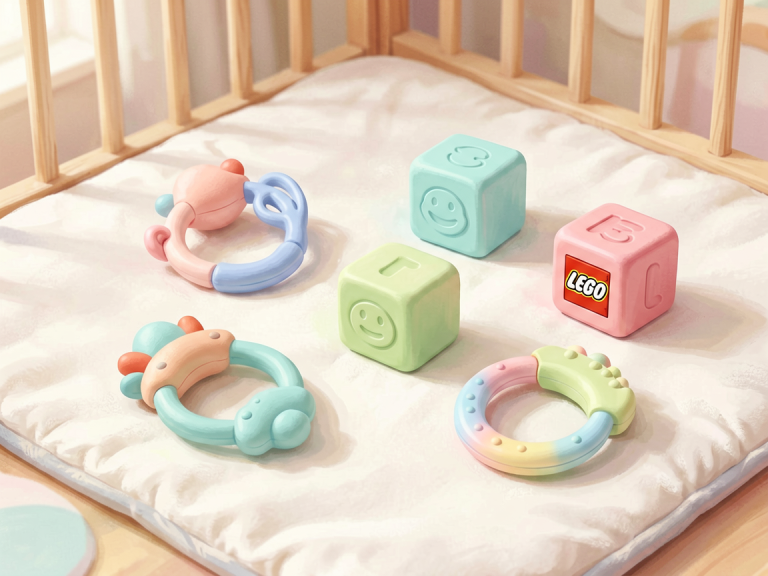
The best toys for a 6-month-old are simple, safe, and open-ended. Avoid anything with batteries, flashing lights, or electronic sounds. Here are categories of screen-free play that align with developmental milestones.
1. Tummy Time with a Twist
Tummy time remains essential for strengthening neck, shoulder, and arm muscles, which are precursors to crawling. Make it engaging by placing a mirror in front of your baby (babies love faces) or laying out safe, textured objects like a soft silk scarf, a crinkly fabric square, or a flat wooden rattle. Lie down facing your baby and make exaggerated facial expressions. This is screen-free, high-quality interaction.
2. Treasure Basket Play
Fill a shallow, low basket with safe household objects: a wooden spoon, a large, smooth pebble (big enough not to be a choking hazard), a stainless steel cup, a piece of unbleached muslin, a silicone teether, a cardboard tube. Let your baby sit supported and explore. They will mouth, bang, shake, and drop each item. Do not direct their play—just observe and narrate: “You are shaking the spoon! It’s making a sound.” This builds vocabulary and independent exploration.
3. Sensory Bags and Bottles
Seal a ziplock bag with a little bit of hair gel and some small, safe objects (like plastic beads or sequins) and tape it to the floor or a highchair tray. Your baby can push and squish the gel without making a mess. Alternatively, fill a clear, sturdy plastic water bottle with rice, pasta, or water and glitter, and let your baby roll and shake it. The visual and auditory feedback is captivating—and completely screen-free.
4. Peek-a-Boo and Social Games
Peek-a-boo is not just fun; it teaches object permanence. Use a scarf, a blanket, or your own hands. Vary the game: hide a toy under a cup and lift it. Make silly sounds. Sing simple songs like “Itsy Bitsy Spider” with hand motions. These shared moments of laughter and eye contact release oxytocin in both parent and baby, strengthening attachment.
5. Water Play (Supervised)
Fill a shallow plastic tub with a few inches of lukewarm water. Provide a cup, a floating toy, and a sponge. Let your baby splash, pat, and explore. Always stay within arm’s reach. Water play is deeply calming and teaches cause and effect (squeezing the sponge makes water come out).
6. Nature Exploration
On a nice day, lay a blanket outside under a tree. Let your baby feel grass (if they are not ingesting it), look at moving leaves, and listen to birds. You can offer a large leaf (washed) or a pinecone to hold. Nature provides the richest sensory stimulation with no screen required.
—
Transitioning from Active Play to Quiet Time
One of the most overlooked skills parents can teach a baby is how to self-regulate from high arousal to calm. After a period of active, engaging play, a 6-month-old may become overstimulated—signaled by fussiness, turning away, yawning, or arching the back. This is the ideal moment to introduce a quiet time routine, not a screen.
Recognizing Overstimulation
Babies cannot yet use words to say “I’m tired” or “It’s too much.” They rely on subtle (and not-so-subtle) cues. A baby who has been laughing wildly during peek-a-boo may suddenly look away and start to cry. Do not add more stimulation (like turning on a video). Instead, reduce input. Pick them up, hold them close, speak in a soft, low voice, and move to a dimly lit room.
The “Wind-Down” Ritual
Create a simple sequence that signals the end of active play. For example:
- First, sing a quiet song (e.g., “Twinkle, Twinkle, Little Star” in a slow tempo).
- Second, dim the lights or close curtains.
- Third, offer a soft, safe object like a small stuffed animal or a piece of silk to rub.
- Fourth, gently rock or sway while holding your baby.
- Finally, place them in a safe, comfortable spot (a play mat or a crib) and sit nearby, remaining calm and quiet.
This ritual, repeated consistently, teaches the baby that after play comes a peaceful period. Over time, they will begin to anticipate and accept the transition.
—
Creating a Quiet Time Routine: Practical Steps
Quiet time for a 6-month-old is not “nap time” unless they are sleepy. It is a period of low-stimulation rest that can last anywhere from 5 to 20 minutes. The goal is to help the baby learn to be still and calm without external entertainment.
1. Prepare the Environment
Choose a quiet corner of the room. Remove noisy or bright toys. Have a soft blanket or a yoga mat on the floor. Use a white noise machine or a gentle fan for background sound—consistent, low-level sound can be soothing, but avoid lullabies with complex melodies or lyrics (save those for bedtime).
2. Offer a Single, Calming Object
During quiet time, present one simple object, such as a wooden teether, a soft cloth book with high-contrast patterns (black and white are best for young babies), or a silicone pacifier clip. The object should invite gentle exploration, not vigorous shaking or banging. The parent should model quiet behavior: sit nearby, breathe slowly, and remain still. Your baby will mirror your calm.
3. Use Your Voice Sparingly
You may hum softly or whisper a very short phrase like “shhh, it’s quiet time.” Avoid chatting, praising, or narrating during this period. The quiet time is for the baby to internalize silence, not to engage in a conversation. If your baby starts to fuss, offer a gentle touch or a pacifier, but try to reset the calm rather than picking them up immediately (unless they are truly distressed). Part of learning quiet time is tolerating brief moments of stillness.
4. Gradually Extend Duration
Start with 3–5 minutes of quiet time after active play. Over the course of weeks, you can extend to 10–15 minutes. Do not force it if the baby is clearly hungry or tired. Quiet time is a supplement to nap time, not a replacement. The key is consistency and patience.
—
The Role of Parental Presence
At 6 months, a baby does not have the cognitive capacity to self-soothe without help. Quiet time is always a shared experience. Your presence provides the safety and security that allows your baby to relax. Sit on the floor beside them, maintain soft eye contact, and keep your own breathing slow. If you are tense or scrolling on your phone (another screen!), your baby will pick up on your distraction and become unsettled. Model the very stillness you wish to cultivate.
Research in developmental psychology shows that when caregivers are responsive and present during early months, babies develop stronger self-regulation abilities. By deliberately putting away all screens during play and quiet time, you are giving your baby the greatest gift: your full, undivided attention. In a world that constantly buzzes, this simple act of being present is revolutionary.
—
Conclusion
Screen-free play for a 6-month-old is not about deprivation; it is about abundance—abundance of texture, sound, movement, and human connection. Every rattle shaken, every page of a cloth book turned, every game of peek-a-boo shared is building a brain that is curious, resilient, and attentive. And the practice of quiet time, transitioned gently after active play, teaches the infant that rest is not a punishment but a natural, pleasant part of the day. There is no app, no video, no interactive tablet game that can replicate the power of a parent’s calm voice, a warm lap, and a world of real things to explore. The first year of life is fleeting, and the screens can wait. For now, let the play be messy, the quiet be deep, and the bond be screen-free.
—
Word count: approximately 1,580 words