The Power of Peace: Quiet Activities That Nurture Preschoolers Minds and Souls
In a world that often glorifies noise, speed, and constant stimulation, the quiet moments of childhood are becoming increasingly rare. Yet for preschoolers—those little explorers between the ages of three and five—quiet activities are not merely a way to keep them occupied while parents catch a breath. They are essential building blocks for cognitive development, emotional regulation, creative thinking, and the kind of deep focus that will serve them well throughout their lives. This article explores the profound value of quiet activities for preschoolers and offers a rich collection of practical, engaging ideas that parents, caregivers, and educators can easily integrate into daily routines.
Why Quiet Matters: The Science Behind Stillness for Young Children
Preschoolers live in a whirlwind of discovery. Their brains are developing at an astonishing rate, forming over a million neural connections every second. While active play is crucial for gross motor skills and social learning, quiet activities provide a different kind of nourishment. They allow the brain to consolidate information, practice self-regulation, and develop what psychologists call "executive function"—the mental skills that help children manage impulses, pay attention, and solve problems.
Research from developmental psychology shows that periods of calm, focused activity help lower cortisol levels in young children, reducing stress and anxiety. When a preschooler sits quietly with a puzzle or listens to a soft story, their nervous system shifts from a state of alertness into a state of rest and digest. This is not just about being still; it is about creating space for the mind to wander, to wonder, and to integrate new experiences. Moreover, quiet activities teach patience, perseverance, and the satisfaction of completing a task without external rewards or loud applause. In an age of instant gratification, these are lessons that cannot be taught too early.
Building Cognitive Skills Through Calm Exploration
Puzzles and Matching Games: The Art of Problem-Solving Without Noise
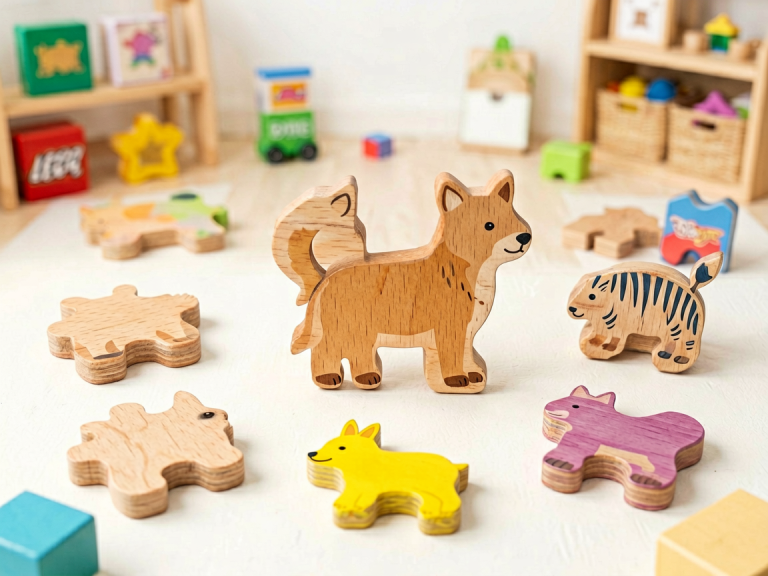
One of the most powerful quiet activities for preschoolers is working with puzzles. Whether it is a simple four-piece wooden puzzle or a more complex 24-piece floor puzzle, the process of matching shapes, colors, and patterns engages a child’s visual-spatial reasoning and memory. When a preschooler tries to fit a piece into the correct spot, they are practicing trial and error, learning to rotate objects mentally, and developing fine motor control. The quiet satisfaction of hearing that final piece click into place is a small victory that builds confidence and concentration.
Matching games—such as memory card games with animals, letters, or everyday objects—take this a step further. They require the child to hold an image in their mind while searching for its pair, strengthening working memory and attention span. The beauty of these activities lies in their solitude: a child can do them alone, at their own pace, without the pressure of competition or the distraction of noise. Caregivers can enhance the experience by sitting nearby, offering gentle encouragement when needed, and resisting the urge to correct too quickly. Let the child struggle a little—that struggle is where learning happens.
Listening to Stories: The Quiet Magic of Spoken Words
Audiobooks and storytelling sessions are often overlooked as quiet activities, yet they are among the most enriching. When a preschooler listens to a story without the visual stimulation of a screen, their imagination takes flight. They create mental pictures, follow narrative threads, and develop listening comprehension—a skill that directly predicts later reading success. The key is to choose stories with clear, rhythmic language and engaging plots, and to set aside a dedicated listening time, perhaps with a cozy blanket and a dim light. Parents can also tell simple stories from memory, using their own voice as the instrument of calm. The act of listening quietly, with no pressure to respond or perform, allows the child’s mind to absorb language patterns, vocabulary, and emotional subtleties in a deeply natural way.
Creative Expression in Silence: Art, Craft, and Imagination
Drawing and Coloring: The Quiet Dialogue Between Hand and Mind
Few quiet activities are as universally beloved as drawing and coloring. For a preschooler, a blank piece of paper and a set of crayons or washable markers are invitations to a world of their own making. The act of drawing is not just about producing a recognizable image; it is about translating inner thoughts and feelings into visible form. As they scribble, color within—or outside—the lines, and choose which colors to use, children are making decisions, expressing preferences, and practicing hand-eye coordination.
The quietness of this activity is significant. Unlike group art projects that can become chaotic, solitary drawing allows a child to enter a state of flow—a psychological state of deep absorption where time seems to disappear. Parents can support this by providing a variety of materials (colored pencils, chalk, watercolor paints for older preschoolers) and a dedicated art space where mess is acceptable. Avoid the temptation to ask "What is it?" too often. Instead, simply observe and comment on the process: "I see you are using a lot of blue today." This validates the child’s experience without imposing adult expectations.
Playdough and Clay: Sensory Sculpting in Stillness
Playdough is a classic quiet activity that combines sensory exploration with creative expression. Rolling, pinching, flattening, and shaping the soft dough engages the small muscles of the hands and fingers, which are essential for future writing skills. More importantly, it offers a tactile, calming experience. The repetitive motions of kneading and pressing can be almost meditative for a young child, helping them regulate their emotions after a busy day.
To keep this activity quiet and focused, provide a simple set of tools—a rolling pin, cookie cutters, a plastic knife—and let the child lead. Avoid over-directing. The goal is not to create a perfect animal or flower, but to enjoy the process of creation in silence. For added variety, homemade playdough can be scented with lavender or cinnamon, or colored with natural dyes, deepening the sensory experience. When the activity is done, store the dough in an airtight container and invite the child to help clean up quietly, turning the end of the session into a calming ritual.
Sensory Exploration: Engaging the Senses Without the Noise
Sensory Bins: A World of Discovery in a Box
Sensory bins are containers filled with materials that stimulate the senses—rice, beans, sand, water beads, oats, or even shredded paper. Hidden inside are small toys, scoops, spoons, and cups for pouring and sorting. For a preschooler, a sensory bin is a universe of quiet exploration. The soft sound of rice falling through fingers, the cool texture of water beads, the challenge of finding a hidden plastic animal—all of these engage the child’s curiosity without requiring loud play.
The key to a successful sensory bin is to keep it contained and to set clear expectations. Introduce the bin during a calm time of day, perhaps after a nap or before dinner. Show the child how to use the tools gently, and then step back. Some children will immediately dive in, while others may sit and observe first—both responses are fine. Sensory play is inherently quiet because it is about feeling rather than shouting. It also encourages language development as children naturally begin to describe what they experience: "This is slippery," or "I found the blue one." Adults can gently narrate without dominating, using a calm, soft voice that matches the mood of the activity.
Nature Treasure Hunts: Quiet Observation Outdoors
Quiet activities do not have to be confined indoors. Taking a preschooler on a nature treasure hunt can be a profoundly silent experience. The goal is not to run or shout, but to walk slowly, observe carefully, and collect small treasures: a smooth stone, a colorful leaf, a fallen feather, a pinecone. Give the child a small basket or bag and invite them to search for items that match certain criteria—something soft, something round, something that makes a sound when shaken. This activity teaches focused attention, classification skills, and a deep appreciation for the natural world.
The quietness of the hunt is part of its magic. When children learn to move silently through a garden or park, they become more aware of bird calls, rustling leaves, and the texture of bark. They discover that there is a whole world of wonder that exists beyond noise. Parents can join in by modeling quiet observation—sitting still to watch a spider spin a web, or listening for the sound of a distant woodpecker. The memories created in these silent moments are often the ones that children carry with them longest.
Fostering Independence and Self-Regulation
Teaching Children to Choose Quiet Time
One of the most valuable gifts we can give preschoolers is the ability to initiate quiet play on their own. This does not happen overnight; it requires a supportive environment and gentle guidance. Start by creating a "quiet corner" in the home—a small space with a soft rug, a few pillows, a basket of books, a puzzle, and perhaps a simple musical instrument like a rainstick or a xylophone. Explain to the child that this is a special place where they can go whenever they need a break from noise or excitement.
Model the behavior yourself. When you need a moment of calm, say aloud, "I’m going to sit in the quiet corner and look at a book for a few minutes." Children learn by imitation, and when they see you valuing stillness, they will begin to value it too. Gradually, they will learn to recognize their own need for quiet—maybe after a playdate or before a nap—and will seek out the corner on their own. This self-regulation skill is one of the most important predictors of success in school and in life.
The Role of Routine: When to Offer Quiet Activities
Timing matters. Quiet activities are most effective when offered at strategic points in a preschooler’s day: right after a high-energy physical activity, before meals, at the transition from play to rest, or in the late afternoon when energy levels naturally dip. Many parents find that offering a quiet activity right before naptime or bedtime helps the child wind down and fall asleep more easily. Similarly, a quiet activity after a tantrum or a moment of frustration can help the child regain emotional balance without punishment or lectures.
It is also important to respect the child’s mood. Forcing a high-energy child to sit still will only create resistance. Instead, offer a choice of two or three quiet options and allow the child to decide. Even the most active preschoolers will sometimes surprise you by choosing a long session of drawing or listening to a story if they are given autonomy. The goal is not to eliminate active play, but to create a balanced rhythm in which quiet and loud, social and solitary, have their rightful places.
Conclusion: The Lasting Gift of Stillness
Quiet activities for preschoolers are far more than a means of keeping children occupied. They are opportunities for the mind to wander, for creativity to bloom, for emotions to settle, and for the self to grow. In a culture that often equates learning with busyness, silence can seem like wasted time. Yet it is in those silent moments—a child patiently fitting a puzzle piece, gently molding clay, or watching a leaf drift in a puddle—that some of the most profound learning occurs. By intentionally incorporating quiet activities into daily life, we give our preschoolers the gift of inner peace, the ability to concentrate, and the joy of discovery that comes from within. And in doing so, we also give ourselves permission to slow down, to breathe, and to share in the quiet wonder of childhood.