The Power of Play: Unlocking Early Learning Potential in Toddlers
Introduction
In the early years of life, a toddler’s brain develops at an astonishing pace, forming more than one million new neural connections every second. During this critical window, the quality of interactions, environments, and experiences profoundly shapes a child’s cognitive, social, emotional, and physical growth. Among the most effective and natural approaches to nurturing this rapid development is play-based early learning. Far from being mere entertainment, purposeful play serves as the primary vehicle through which toddlers explore their world, build foundational skills, and develop a lifelong love for learning. This article delves into the philosophy and practice of play-based early learning for toddlers, exploring its scientific underpinnings, developmental benefits, and practical implementation strategies for parents and educators.
Why Play Matters for Toddlers
Play is not a frivolous pastime; it is the work of childhood. For toddlers between the ages of one and three, play is the most authentic and powerful mode of learning. Unlike structured academic drills, play allows young children to engage with their environment on their own terms, following their innate curiosity and natural rhythms. Research in neuroscience and developmental psychology consistently shows that play-based experiences strengthen neural pathways, enhance executive function skills, and promote emotional regulation.
When a toddler stacks blocks, pretends to feed a doll, or splashes water in a sensory bin, they are not simply “playing around”—they are actively constructing knowledge. They learn cause and effect (if I push this block, the tower falls), develop motor skills (grasping, balancing, pouring), and practice social scripts (taking turns, sharing, negotiating). Moreover, play reduces stress hormones like cortisol and increases feel-good chemicals such as oxytocin and dopamine, creating an optimal state for learning. The joy and intrinsic motivation that accompany play make learning stick far better than forced instruction ever could.
The Cognitive Benefits of Play-Based Learning
Perhaps the most compelling case for play-based early learning lies in its profound impact on cognitive development. Through unstructured and guided play, toddlers build the mental scaffolding necessary for later academic success.
*Language and Communication:* When a toddler engages in pretend play, they naturally practice vocabulary, sentence structure, and narrative skills. A child who says “The bear is sleeping” or “I am cooking soup” is experimenting with language in a meaningful context. Caregivers who join in and extend the play—by asking open-ended questions like “What does the bear need for his nap?”—further enrich linguistic development.
*Problem-Solving and Critical Thinking:* Play presents countless small problems that require creative solutions. A toddler trying to fit a square peg into a round hole must reason, adjust, and persist. A child building a ramp for toy cars experiments with angles and gravity. These activities cultivate flexible thinking and resilience, both of which are essential for future learning.
*Mathematical and Spatial Awareness:* Sorting colored blocks, matching shapes, and counting pretend cookies lay the groundwork for numeracy. Similarly, navigating a play space, fitting puzzles together, and pouring sand into containers build spatial reasoning. Play-based settings naturally integrate mathematical concepts without worksheets or drills.
*Memory and Attention:* Engaging in sustained play—such as completing a simple puzzle or working on a “project” like building a tower—helps toddlers develop focused attention and working memory. These executive functions are better predictors of school readiness than early reading or math skills.
Social and Emotional Development Through Play
Toddlers are just beginning to understand themselves in relation to others. Play provides a safe, low-stakes arena for practicing social and emotional competencies that will serve them throughout life.
*Self-Regulation:* When a toddler waits for a turn on the slide or shares a toy with a peer, they are learning to control impulses and manage frustration. Dramatic play, such as pretending to be a parent or a doctor, allows children to process emotions and rehearse coping strategies. For example, a child who soothes a crying baby doll is practicing empathy and caregiving.
*Empathy and Perspective-Taking:* In group play, toddlers gradually realize that others have different feelings, desires, and viewpoints. A child who offers a friend a “cup of tea” during a tea party is engaging in prosocial behavior. These early experiences of reciprocity form the foundation of healthy relationships.
*Conflict Resolution:* Disagreements inevitably arise during play—who gets the red car, how to build the fort. With gentle adult guidance, toddlers learn to negotiate, compromise, and express their needs verbally instead of through tantrums. Over time, they internalize these skills and become more adept at navigating social situations independently.
*Identity and Confidence:* Play allows toddlers to experiment with different roles and identities. A child who pretends to be a firefighter or a dancer builds a sense of agency and self-efficacy. The freedom to make choices during play—what to play, how to play, with whom—fosters autonomy and confidence, key ingredients for lifelong motivation.
Physical Development and Sensory Integration
Play-based learning is inherently active, which is crucial for toddlers’ physical health and sensory development.
*Gross Motor Skills:* Running, climbing, jumping, and dancing during active play strengthen large muscle groups, improve balance, and promote coordination. Outdoor play, in particular, offers uneven terrain and varied stimuli that challenge the developing vestibular system.
*Fine Motor Skills:* Manipulating small objects—picking up beads, drawing with crayons, pinching playdough—refines the small muscles in hands and fingers. These skills are directly linked to later abilities such as writing, buttoning, and using utensils.
*Sensory Processing:* Toddlers learn through their senses. Sensory play—playing with sand, water, rice, or textured fabrics—helps the brain organize and interpret sensory information. This process is essential for attention, calmness, and body awareness. Children who engage in rich sensory play are often better able to filter out distractions and regulate their arousal levels.
Practical Ways to Incorporate Play-Based Learning into Daily Routines
Parents and caregivers often wonder how to translate the principles of play-based learning into everyday life without feeling overwhelmed. The good news is that play does not require expensive toys or elaborate setups. Here are actionable strategies:
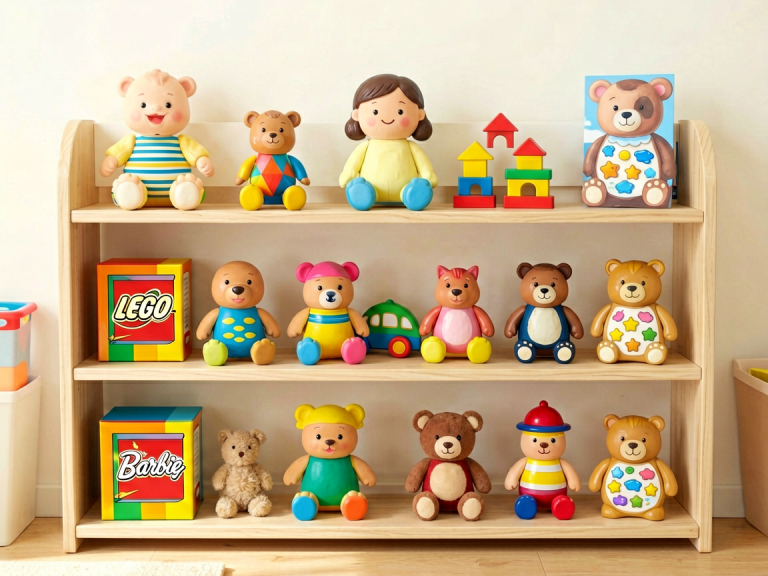
*Create a Safe, Inviting Environment:* Designate a space where toddlers can explore freely—low shelves with a few open-ended toys (blocks, scarves, nesting cups), a soft rug, and safe household items like wooden spoons and cardboard boxes. Rotate toys periodically to maintain novelty.
*Follow the Child’s Lead:* Observe what captures your toddler’s interest. If they are fascinated by a puddle, let them splash and talk about water. If they want to line up cars, join them and count the cars together. Child-directed play respects the toddler’s pace and deepens engagement.
*Embed Play into Transitions and Chores:* Diaper changes can become a game of “Where is your nose?”; grocery shopping can involve sorting produce by color; bath time can include pouring and measuring. These small moments transform mundane tasks into rich learning opportunities.
*Prioritize Unstructured Time:* In our busy world, it is tempting to fill a toddler’s schedule with classes and activities. Yet the most valuable learning often happens during long stretches of unstructured play. Allow blocks of time—at least 30 to 60 minutes—for free play each day, both indoors and outdoors.
*Model and Join In:* Adults who play alongside their toddlers—without taking over—provide scaffolding and emotional connection. Narrate what you see, ask questions, and occasionally introduce new challenges (“I wonder if we can build a bridge for these blocks?”). Your presence validates the child’s efforts and models language and social skills.
Overcoming Common Misconceptions
Despite mounting evidence, some parents and educators remain skeptical about play-based learning, fearing it may not adequately prepare children for school. Addressing these misconceptions is vital.
*Myth 1: Play is just fun and has no educational value.* In reality, the skills developed through play—executive function, language, social competence, motor coordination—are precisely the foundation for academic success. Countries like Finland, which emphasize play-rich early education, consistently rank among the top in later academic performance.
*Myth 2: Toddlers need direct instruction to learn letters and numbers.* While some children may show interest in letters, forcing formal instruction before age four or five can actually hinder motivation and creativity. Play-based exposure to numbers, letters, and patterns in natural contexts is far more effective.
*Myth 3: Play-based learning means no rules or boundaries.* On the contrary, play thrives within a safe, structured environment with clear limits (e.g., no throwing sand, no hitting). Limits help toddlers feel secure and learn self-control.
Conclusion
Play-based early learning is not a luxury or a trend—it is a developmentally appropriate, evidence-based approach that honors the way toddlers naturally learn and grow. By embracing play, we give our youngest children the chance to build strong brains, resilient hearts, and confident bodies. Whether it is a toddler stacking cups in the kitchen, digging in a sandbox, or pretending to roar like a lion, each playful moment is a building block for a lifetime of curiosity, creativity, and connection. As parents, educators, and communities, our most important task is not to teach toddlers everything we know, but to create the conditions for them to discover the world on their own terms—through the joyful, powerful, and transformative medium of play.