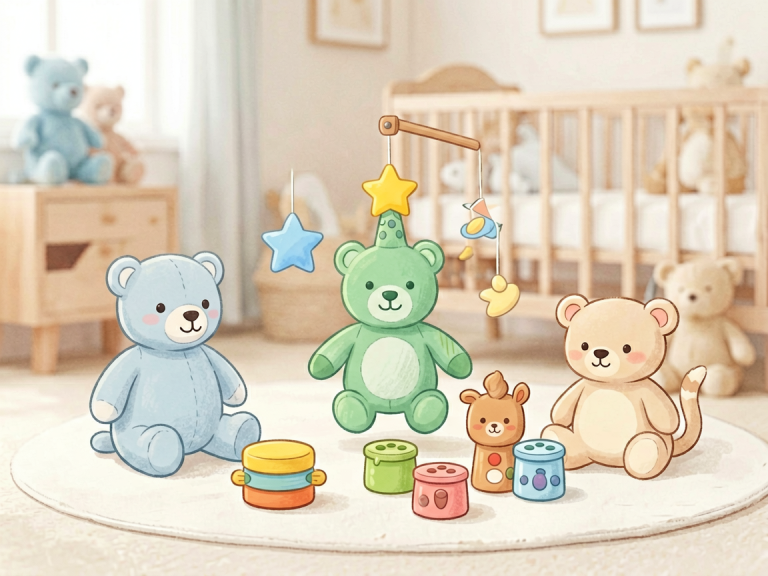
Screen-Free Activities for Toddlers: Nurturing Development Beyond the Digital Glow
In an era where screens are omnipresent—from the smartphone in a parent’s hand to the tablet on the coffee table—the idea of raising a toddler without constant digital stimulation can feel almost radical. Yet a growing body of research in early childhood development underscores a simple truth: the first years of life are a critical window for building neural connections through real-world, hands-on experiences. Screens, while sometimes convenient, cannot replicate the rich sensory feedback, social interaction, or physical exploration that toddlers desperately need. This article explores a wide range of screen-free activities that not only entertain but actively foster cognitive, motor, emotional, and social growth. By replacing passive screen time with engaging, tactile experiences, parents can give their toddlers the foundation for lifelong learning, creativity, and resilience.
Why Screen-Free Time Matters More Than Ever
Before diving into specific activities, it is essential to understand why the push for screen-free time is not merely an anti-technology stance but a developmental necessity. Toddlers’ brains are developing at an astonishing rate—forming up to one million neural connections per second. These connections are shaped by real-world interactions: the feel of sand between fingers, the sound of a parent’s voice singing a lullaby, the challenge of stacking blocks and watching them tumble. Screens, by contrast, offer fast-paced, high-contrast, and often passive stimulation that can overexcite the brain without requiring active participation. The American Academy of Pediatrics recommends avoiding screen time for children under 18 months (except video chatting) and limiting it to one hour per day of high-quality programming for children aged 2 to 5. Yet many families far exceed these guidelines, inadvertently sacrificing the unstructured, messy, and exploratory play that builds problem-solving skills and emotional regulation.
Screen-free activities also combat the "attention economy" that preys on developing minds. Toddlers who become accustomed to the instant gratification of swipe-and-tap interactions may struggle with the slower, more demanding rewards of building a tower, completing a puzzle, or engaging in pretend play. Furthermore, excessive screen time has been linked to delayed language development, reduced empathy, and poorer sleep quality. By consciously choosing screen-free alternatives, parents reclaim the pace of childhood—a pace that allows for wonder, frustration, persistence, and joy.
Sensory Play: The Foundation of Learning
Sensory play is arguably the most powerful category of screen-free activities for toddlers because it directly stimulates the senses that wire the brain for understanding the physical world. Toddlers learn through touch, smell, taste, sight, and sound long before they understand abstract concepts. These activities are simple to set up, often using household items, and they naturally encourage exploration without the need for instructions or screens.
1. Water Play with a Purpose
Fill a shallow plastic bin with lukewarm water and provide safe tools: measuring cups, plastic spoons, small rubber ducks, or kitchen sieves. Let your toddler scoop, pour, and splash. This activity teaches cause and effect (when I pour water, it flows down), volume and capacity (the small cup fills the big bucket slowly), and fine motor control (grasping the cup and tilting it just right). For added interest, add a few drops of food coloring or float ice cubes. Always supervise closely, but resist the urge to direct—let your child discover the properties of water on their own.
2. Edible Finger Paints
Store-bought paints are often toxic if ingested, but toddlers explore with their mouths as much as their hands. Make your own safe finger paints using yogurt or cornstarch mixed with food coloring. Spread a large sheet of paper or a washable tablecloth on the floor, and let your toddler smear, dot, and swirl. This activity develops hand-eye coordination, introduces color mixing, and provides a rich tactile experience. The best part? The mess is edible and easily cleaned.
3. Sensory Bins
A sensory bin can be any container filled with a base material: dry rice, uncooked pasta, sand, or even shredded paper. Hide small toys or objects inside—plastic animals, wooden blocks, large beads—and encourage your toddler to dig, sift, and find them. This not only hones fine motor skills (picking up a single grain of rice) but also fosters concentration. Change the theme with the seasons: autumn leaves and acorns, winter snow (fake snow made from baking soda and water), or spring flower petals. The novelty keeps the activity engaging without any digital input.
Gross Motor Activities: Building Strength and Coordination
Toddlers are naturally driven to move—to run, jump, climb, and tumble. This instinct is not just about burning energy; it is essential for developing large muscle groups, balance, and spatial awareness. Screens, by their very nature, immobilize children. Screen-free gross motor activities channel this primal urge into constructive play that also builds confidence.
1. Obstacle Courses
Use pillows, cushions, cardboard boxes, and low stools to create a simple obstacle course in your living room. Have your toddler crawl under a table, step over a rolled-up blanket, and toss a soft ball into a laundry basket. This activity encourages planning (where do I put my foot next?), risk assessment (is that gap too wide?), and persistence (I fell—let me try again). It also strengthens core muscles and coordination. Change the course layout weekly to maintain interest.
2. Dance Parties with a Twist
Instead of turning on a TV show, put on music—any music—and dance together. But make it interactive: freeze when the music stops, stomp like a dinosaur, float like a butterfly, or spin until dizzy. This develops listening skills (following the rhythm), body awareness, and emotional expression. For extra fun, let your toddler lead the dance and copy their moves. This reinforces their sense of agency and creativity.
3. Nature Walks with Purpose
Take your toddler outside, but instead of a quick stroll, turn it into a treasure hunt. Collect leaves, pinecones, or smooth stones. Compare textures: rough bark versus soft moss. Count the number of birds you see. Let your toddler walk on uneven terrain—grass, gravel, mud—which challenges their balance and strengthens ankle stability. Nature walks also provide exposure to natural light, which helps regulate circadian rhythms and improve sleep quality—a direct antidote to screen-induced sleep disruption.
Fine Motor Activities: Preparing Hands for Writing
The small muscles in a toddler’s hands and fingers require deliberate practice to develop the dexterity needed for later tasks such as writing, buttoning, and using utensils. Screen time, particularly with swipe gestures, uses only coarse finger movements and does little to strengthen the pincer grasp or finger isolation. The following activities are both fun and developmental.
1. Play Dough Creations
Homemade play dough (flour, salt, water, cream of tartar, and oil) is easy to make and completely safe. Provide cookie cutters, plastic knives, rolling pins, and googly eyes. Encourage your toddler to pinch, roll, flatten, and poke. This builds hand strength and bilateral coordination (using both hands together). For an added sensory layer, add cinnamon, lavender, or peppermint extract to the dough.
2. Threading and Lacing
Use large wooden beads or hollow pasta shapes (like penne) and a shoelace or thick string. Show your toddler how to thread the bead onto the lace. This requires visual-spatial planning, hand-eye coordination, and patience. Start with only two or three beads to avoid frustration. As your child improves, increase the number or use smaller beads. This activity is a classic Montessori exercise for a reason.
3. Sticker Art
Provide a sheet of paper and a set of large, easy-to-peel stickers. Let your toddler peel them off, place them, and perhaps reposition them. Peeling stickers requires the pincer grasp and finger strength. Placing them requires careful control. You can draw simple outlines on the paper and encourage your toddler to fill them in with stickers, turning it into a matching or color-recognition game.
Imaginative and Pretend Play: The Gateway to Social Skills
Perhaps the most invaluable screen-free activity for toddlers is imaginative play—the kind that requires no materials at all, or only the simplest props. When a toddler pretends a cardboard box is a spaceship, or a wooden spoon is a magic wand, they are building narrative thinking, empathy, and social understanding. Screens often present ready-made stories; imaginative play invites children to create their own.
1. The Dress-Up Box
Keep a small basket filled with old hats, scarves, costume jewelry, a child-sized apron, and a pair of oversized sunglasses. Let your toddler dress up and adopt a character. They might become a doctor, a chef, a superhero, or a baby animal. Join them in their world: ask for a cup of tea, pretend to be sick, or ask the "superhero" to rescue a stuffed animal. This develops language skills (naming objects and actions), emotional regulation (expressing feelings through character), and social reciprocity (taking turns in conversation).
2. Blanket Forts
With just a few chairs, a large blanket, and some clothespins, you can build a fort that becomes a secret cave, a castle, or a rocket ship. Bring pillows, books, and a flashlight inside. The act of building itself requires problem-solving (how do I keep the blanket from falling?) and collaboration if siblings are involved. Inside the fort, read stories, tell tales, or simply whisper secrets. This becomes a powerful bonding activity that screens can never replicate.
3. Puppet Shows
Use simple hand puppets (or even socks with buttons for eyes) to act out short stories. Your toddler can be the puppeteer—or the audience. Puppets allow children to express feelings they might not yet have words for. A grumpy puppet can "say" what a toddler feels after a meltdown; a happy puppet can celebrate a small achievement. This emotional outlet is crucial for developing self-awareness and empathy.
Practical Tips for Implementing Screen-Free Routines
Transitioning to more screen-free time does not happen overnight, and it does not require eliminating screens entirely. The goal is balance and intentionality. Here are actionable strategies for families:
- Create screen-free zones. Designate the dining table and the bedroom as no-screen areas. This reinforces that mealtimes are for conversation and sleep spaces are for rest.
- Model screen-free behavior. Toddlers learn by imitation. If they see you scrolling on your phone during playtime, they will likely lose interest in their activity. Put devices away during dedicated play sessions.
- Prepare activities in advance. Spend ten minutes the night before gathering materials for a sensory bin or setting up an obstacle course. This removes the temptation to default to a screen when your toddler gets restless.
- Embrace the mess. Sensory play, art, and outdoor activities will inevitably create mess. Accept this as part of the learning process. Use washable items, keep a towel handy, and remember that cleanup is also a teaching moment (involving your toddler in wiping up spills fosters responsibility).
- Start small. If your toddler is used to 90 minutes of screen time daily, do not cut to zero abruptly. Replace 15 minutes with a tactile activity, then gradually increase. Patience and consistency are key.
- Use screens intentionally when you do use them. When screen time is necessary (e.g., for a long car ride or a doctor’s waiting room), choose slow-paced, educational content that encourages interaction, such as nature documentaries or simple sing-alongs, rather than fast-paced cartoons.
Conclusion: Reclaiming the Joy of Real Play
In a world that constantly tells parents to optimize, accelerate, and digitize, choosing screen-free activities for your toddler is an act of quiet rebellion—a commitment to the slow, messy, beautiful process of human development. These activities do not require expensive toys or elaborate setups. They require only your presence, a bit of creativity, and the willingness to let your child lead. When you pour water together, build a fort, or dance in the kitchen, you are not just keeping your toddler entertained. You are laying the neural foundations for a lifetime of curiosity, resilience, connection, and joy. The screen will always be there, but the window of early childhood is fleeting. These are the moments that shape who your child will become—and they are far too precious to be swiped away.