Toy Rotation Tips for Parents: A Practical Guide to Simplifying Playtime and Boosting Creativity
As parents, we’ve all been there: stepping on a stray LEGO brick in the middle of the night, tripping over a forgotten plush dinosaur, or staring in dismay at a living room that looks like a toy store exploded. The avalanche of toys is not just a spatial nightmare—it can overwhelm children, shorten their attention spans, and reduce the quality of their play. Enter toy rotation: a simple yet transformative parenting strategy that can restore order, spark imagination, and even save you money. In this comprehensive guide, I’ll walk you through everything you need to know about toy rotation, from the science behind it to step-by-step implementation tips that will work for families of any size.
Why Toy Rotation Works: The Psychological and Practical Benefits
Before diving into the "how," it’s essential to understand the "why." Toy rotation isn’t just about decluttering; it’s rooted in child development research. Young children, especially toddlers and preschoolers, thrive on novelty. When they are surrounded by dozens of toys every day, the sheer abundance leads to what psychologists call "choice overload." Instead of engaging deeply with one toy, a child flits from item to item, never fully immersing themselves in creative play. This fragmented attention can hinder the development of focus, problem-solving skills, and even emotional regulation.
Toy rotation solves this by mimicking the natural cycles of scarcity and abundance. When a child only has access to a carefully curated selection of toys (say, 6–10 items), they are more likely to explore those toys thoroughly. A simple set of building blocks might become a castle one day, a spaceship the next, and a maze for toy cars the day after. This repetition with variation is the bedrock of cognitive growth. Moreover, rotated toys feel "new" when they reappear, reigniting excitement without requiring a trip to the store. Parents often report that children play longer, more independently, and with greater creativity after implementing a rotation system.
From a practical standpoint, toy rotation also reduces clutter, makes cleanup faster, and gives you a clear inventory of what your child actually uses. You can identify broken or outgrown toys and donate them guilt-free. The result? A calmer home and a happier child.
Getting Started: The Three-Step Foundation for Successful Toy Rotation
Step 1: Audit and Declutter Your Toy Collection
The first step in any toy rotation is honest assessment. Gather every toy in the house—yes, all of them, including the ones hiding under beds and in the back of closets. Sort them into three piles: keep, donate/sell, and trash. For the "keep" pile, be ruthless. Ask yourself: Does this toy still interest my child? Is it age-appropriate? Is it in good condition? Does it serve a developmental purpose (e.g., fosters motor skills, creativity, social play)? If the answer is no, let it go. Many experts recommend keeping only about 20–30 toys for a toddler, and slightly more for older children. This may feel extreme, but remember: you can always rotate them back later.
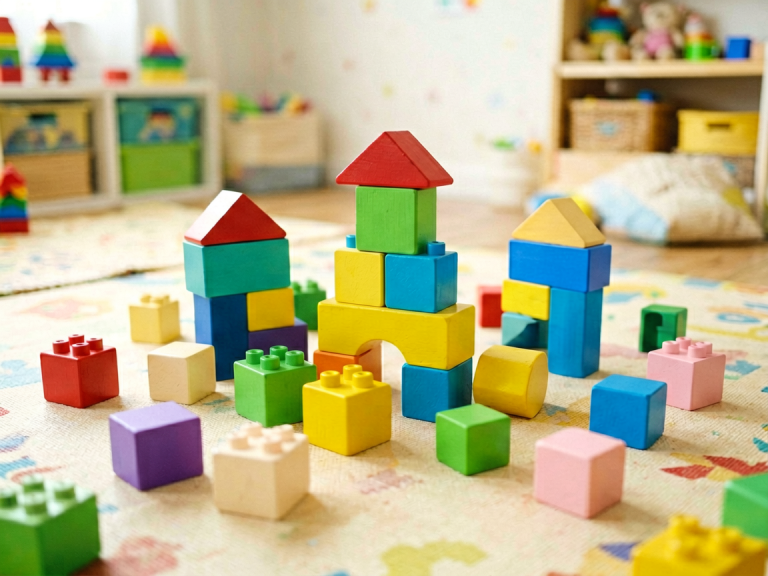
Pay special attention to open-ended toys—building blocks, wooden trains, art supplies, playdough, dolls, and dress-up clothes. These are rotation heroes because they can be used in countless ways. In contrast, single-purpose electronic toys (like a singing light-up phone) often lose their appeal quickly and are harder to rotate effectively.
Step 2: Divide Toys into "Baskets" or "Sets"
Once you have your keep pile, sort the toys into logical groups. For example:
- Set A: Building blocks, a set of action figures, a puzzle, and a stacking game.
- Set B: A train set, a play kitchen with utensils, and a few picture books.
- Set C: Art supplies (crayons, paper, scissors, stickers), a dollhouse, and a sensory bin with rice and scoops.
Each set should contain a mix of toy types—some for fine motor skills, some for imaginative play, some for quiet solo play, and some for active play. Aim for 8–12 items per set for younger children (ages 1–4) and slightly more for older kids. Label each set clearly (e.g., "Kitchen Set," "Construction Set") and store them in bins, bags, or shelves out of sight. The key is that only one set is available at any given time.
Step 3: Designate a Rotation Schedule
How often should you rotate? There is no magic number, but most parents find success with a weekly or bi-weekly rotation. Some families even rotate every two to three days for younger toddlers who need more novelty. The best approach is to observe your child. When you notice that the current set has lost its spark—perhaps your child is ignoring the toys or becoming bored and whiny—it’s time to swap.
Mark rotating days on your calendar (e.g., every Sunday evening). Involve your child in the process: let them help put the old toys into storage and “discover” the new set. This builds anticipation and a sense of ownership. For older children, you can even create a visual chart showing which set is coming next.
Pro Tips for a Smooth and Sustainable Toy Rotation
Keep a "Toy Library" System
Think of your toy rotation as a personal library. Store the out-of-rotation toys in labeled bins on a high shelf, in a closet, or under the bed. Avoid clear bins if possible; the visual temptation of seeing all toys at once defeats the purpose. Instead, use opaque boxes or fabric bins. For very large toys (like a dollhouse or a play tent), consider putting them away in a separate room or covering them with a sheet.
Pay Attention to Your Child's Preferences
While rotation is systematic, it should also be responsive. If your child is obsessed with dinosaurs, keep the dinosaur-themed set in rotation longer and include dinosaur extensions (like a felt play mat or a book). Conversely, if a toy consistently goes untouched, retire it from the rotation entirely. You can always bring it back in six months—a child’s interests change rapidly.
Use Thematic Rotations to Boost Engagement
Themed rotations add a layer of excitement. For example, set up a "Construction Zone" month with toy trucks, hard hats, and building blocks; then switch to a "Space Adventure" with astronaut figures, glow-in-the-dark stars, and a telescope. Thematic rotations work particularly well for preschoolers who love stories and role-play. You can align themes with seasons, holidays, or your child’s current passions (e.g., ocean creatures, farm animals, princesses).
Don't Forget Books and Puzzles
Toy rotation isn't just for traditional toys. Rotate books, puzzles, and art supplies as well. Keep a small shelf of 5–10 books in the play area and swap them every week. This encourages deeper engagement with each book rather than frantic page-flipping. For puzzles, rotate puzzles of varying difficulty to challenge your child’s developing cognitive skills.
Manage the "Return" Process: Make Cleanup Fun
One common pitfall is that children resist putting away toys when it’s time to rotate. To ease the transition, turn cleanup into a game. Use a timer: "Can we find all the blocks before the timer rings?" Or sing a cleanup song. Some parents even use a "magic bag" where children place toys they are done with, and the bag "disappears" (goes into storage). For older kids, explain the logic: "When we put these away, we’ll get to see your space toys tomorrow!" The more you frame rotation as a positive event, the less resistance you’ll face.
Resist the Urge to Buy More Toys
Finally, toy rotation can become a trap if you keep buying new toys to fill the sets. The whole point is to appreciate what you already have. Before every birthday or holiday, ask yourself: Is there anything in our current rotation that my child has outgrown? Can we donate or swap with another family? This mindset shift reduces consumption and teaches your child that "more" is not always "better." When you do buy a new toy, retire an old one to keep the total count manageable.
Common Challenges and How to Overcome Them
Challenge 1: My child begs to see the toys that are put away.
*Solution:* Acknowledge their feelings, but stand firm. You can say, "I know you miss your fire truck, but it will come back in a few weeks. Let’s see what new fun we can have with the current toys!" If the begging persists, consider shortening the rotation cycle. Some children need more frequent changes, especially at younger ages.
Challenge 2: The rotation takes too much time to set up.
*Solution:* Simplify. You don’t need elaborate bins or labels. Even just swapping a handful of toys from a closet every few days makes a difference. Involve your partner or older children to share the workload. Once the initial sorting is done, each swap takes only 5–10 minutes.
Challenge 3: My child plays with only one or two toys from the set.
*Solution:* That’s perfectly fine! Deep engagement with one toy is the goal, not mastering every item. As long as your child is happily exploring, the rotation is working. If they seem stuck, try modeling play: sit down and build a tower next to them, or show them a new way to use a toy.
Challenge 4: I have multiple children of different ages.
*Solution:* Create separate sets for each child, or create a shared set that includes age-appropriate toys for all. For example, a set for a 2-year-old and a 5-year-old might include a large floor puzzle, a dollhouse, and sensory toys that both can enjoy. Rotate individual toys as needed, and always supervise younger children with small parts.
Final Thoughts: The Long-Term Gift of Less
Toy rotation is not a quick fix—it’s a parenting philosophy that values quality over quantity. It teaches children to appreciate what they have, to use their imagination, and to find joy in exploration rather than accumulation. As a parent, you’ll reclaim your living space, reduce decision fatigue, and witness the remarkable creativity that blossoms when a child is given just the right amount of choice.
Start small. Pick one shelf or one playroom corner and implement rotation there first. Observe the changes in your child’s attention span and mood. Then expand gradually. Before you know it, you’ll wonder why you ever lived with a toy explosion in the first place. So grab a few bins, clear your schedule for one afternoon, and give toy rotation a try. Your future self—and your child—will thank you.