The Power of Play: Unlocking Cognitive and Social Growth Through Play-Based Learning for Kids
Introduction: Why Play Matters More Than You Think
In an era of academic pressure, standardized testing, and increasingly structured early childhood curricula, the concept of play-based learning often finds itself misunderstood or undervalued. Many parents and educators still equate “play” with mere entertainment—a break from real learning, a reward for completing worksheets, or a way to burn off energy before returning to serious study. Yet decades of research in developmental psychology, neuroscience, and education tell a radically different story: play is not the opposite of learning; it is learning’s most natural, effective, and joyful vehicle. For children, especially those between the ages of two and eight, play-based learning is not an optional luxury but a biological imperative. It is how their brains are wired to explore, experiment, make sense of the world, and build the foundational skills that will support all future academic and life success. This article explores the science, practice, and profound benefits of play-based learning for kids, offering concrete strategies for parents, teachers, and caregivers to harness its power.
What Is Play-Based Learning? Defining the Core Concept
Play-based learning is an educational approach that uses structured and unstructured play as the primary mode of learning. It is child-directed, intrinsically motivated, and process-oriented rather than product-oriented. In a play-based environment, children choose activities that interest them, engage in imaginative scenarios, manipulate materials, solve problems collaboratively, and construct knowledge through direct experience. The adult’s role shifts from a transmitter of information to a facilitator, observer, and co-player who scaffolds learning by asking open-ended questions, providing resources, and extending children’s thinking.
There are several key characteristics that distinguish genuine play-based learning from simple recess or free time. First, it is voluntary—children must feel free to enter, modify, or leave the play. Second, it is internally motivated—the reward is the experience itself, not an external sticker or grade. Third, it involves active engagement—children are physically, cognitively, and emotionally involved. Fourth, it is symbolic—children use objects, actions, or language to represent something else (e.g., a block becomes a phone, a stick becomes a sword). Finally, it is rule-governed yet flexible—children create and negotiate their own rules, which they can change as the play evolves. These elements distinguish play-based learning from drill-based instruction, passive screen time, or adult-directed activities where children have little autonomy.
The Neuroscience Behind Play: How Play Builds Brains
Why is play so powerful? The answer lies in the developing brain. During early childhood, the brain undergoes explosive growth, forming more than one million neural connections every second. Play is the natural mechanism that optimizes this process. When children engage in self-directed play, their brains release neurochemicals like dopamine, which enhances attention, motivation, and memory consolidation. The prefrontal cortex—the region responsible for executive functions such as planning, impulse control, and cognitive flexibility—is particularly strengthened through complex pretend play and rule-based games.
Consider a child building a tower with blocks. On the surface, it looks like simple fun. But neurologically, the child is practicing spatial reasoning (visualizing how blocks balance), fine motor control (carefully placing each piece), problem-solving (adjusting the base when the tower wobbles), and emotional regulation (dealing with frustration when it falls). If the child is building with a friend, they are also negotiating roles, sharing materials, and coordinating actions—activities that activate the brain’s social circuitry. Research using functional MRI scans has shown that children who engage in regular, rich play show higher levels of activation in brain regions linked to creativity, language, and social cognition. In short, play literally sculpts the architecture of the developing brain.
The Role of Risky Play and Uncertainty
One often-overlooked aspect of play-based learning is the importance of “risky play”—activities that involve heights, speed, tools, or rough-and-tumble interactions. While adults instinctively want to protect children from all danger, moderate risk-taking in play teaches children to assess situations, manage fear, and build physical competence. Climbing a tree, for example, requires a child to judge branch strength, grip securely, and plan movements—a complex cognitive and motor challenge that cannot be replicated in a worksheet. Similarly, pretend play involving monsters or dangerous scenarios helps children process real-world anxieties in a safe, controlled context. Neuroscientists call this “inoculation through play”—the brain learns to handle stress and uncertainty by practicing in low-stakes environments.
Key Domains of Development Enhanced by Play-Based Learning
Play is not a single skill but a catalyst for growth across multiple domains. Below are the most critical areas where play-based learning delivers measurable, lasting benefits.
Cognitive Development: Problem-Solving, Creativity, and Executive Function
Play is the original laboratory for scientific thinking. When children mix sand and water, they are experimenting with cause and effect, volume, and material properties. When they pretend to run a restaurant, they practice sequencing (taking orders, cooking, serving), symbolic representation (a paper plate becomes a menu), and early math (counting plates, dividing food). These open-ended experiences foster divergent thinking—the ability to generate multiple solutions to a problem—which is the foundation of creativity. Moreover, executive function skills—working memory, cognitive flexibility, and inhibitory control—are practiced intensely during games with rules, such as Simon Says or hide-and-seek. A child who must remember to stay quiet while hiding (inhibitory control) and shift strategies when the seeker gets close (cognitive flexibility) is building the same neural networks that will later support math, reading comprehension, and self-regulation.
Social-Emotional Development: Empathy, Cooperation, and Resilience
Play is the primary arena in which children learn to navigate relationships. Through cooperative play, they practice taking turns, reading social cues, resolving conflicts, and compromising. A child who wants to be the superhero while another wants to be the villain must negotiate roles, share leadership, and handle disappointment if their preference is not chosen. These interactions build empathy—the ability to understand another’s perspective—which is a cornerstone of emotional intelligence. Additionally, play offers a safe space to experience and regulate emotions. A child knocked over in a friendly wrestling match learns to bounce back, assess whether the other child meant harm, and decide whether to re-engage or take a break. Over time, this builds resilience: the capacity to cope with setbacks and recover from frustration, a skill far more predictive of long-term success than early reading ability.
Physical Development: Gross and Fine Motor Skills
From running and jumping to threading beads and holding a paintbrush, play naturally develops both gross and fine motor skills. Outdoor play—climbing, swinging, balancing—strengthens core muscles, improves coordination, and builds proprioception (awareness of one’s body in space). Meanwhile, constructive play with small objects (Lego, puzzles, play dough) refines the small muscles of the hands and develops the pincer grip needed for writing. Occupational therapists often use play-based interventions precisely because children are more motivated to repeat movements when they are embedded in enjoyable activities. A child who refuses to practice handwriting may eagerly trace letters in sand or form them with clay.
Language and Literacy Development: Narrative Skills and Vocabulary
Play is a rich context for language acquisition. When children engage in pretend play, they naturally narrate their actions, create dialogue, and negotiate meaning with peers. A child who says, “You be the mommy and I’ll be the baby. The mommy goes to work, so the baby has to stay with the babysitter,” is constructing a complex narrative with a beginning, middle, and end—the same skill required for later reading comprehension. Research consistently shows that children in play-based preschools develop larger vocabularies, stronger oral language skills, and greater phonological awareness (the ability to hear and manipulate sounds) compared to children in highly academic, direct-instruction settings. This is because play provides meaningful, contextualized language practice rather than rote memorization.
Practical Strategies for Implementing Play-Based Learning at Home and School
Integrating play-based learning does not require abandoning structure or academics. Instead, it requires a shift in mindset and environment. Here are actionable strategies for parents, caregivers, and educators.
For Parents and Caregivers: Creating a Play-Rich Home Environment
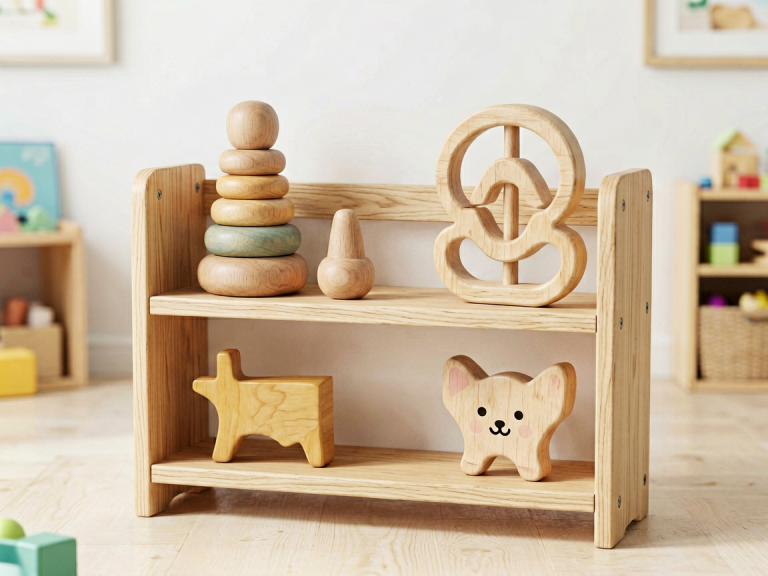
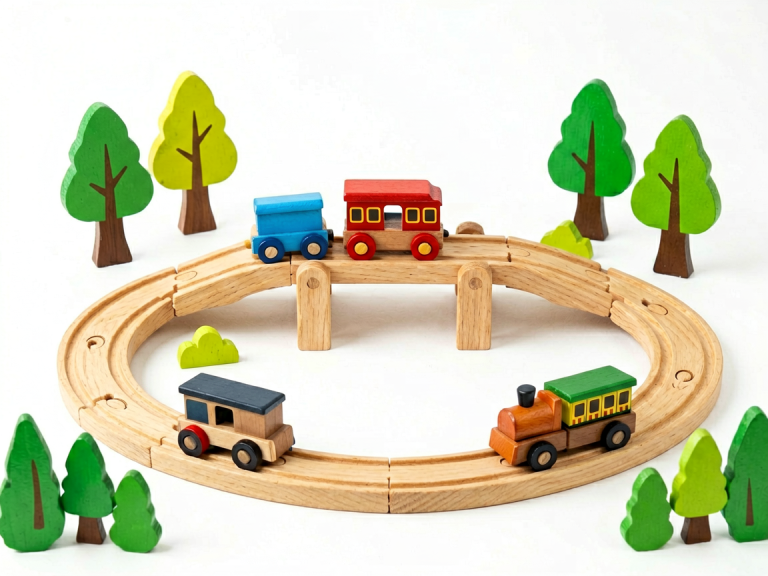
- Provide open-ended materials. Blocks, art supplies, dress-up clothes, sand, water, and loose parts (sticks, stones, bottle caps) invite endless creative possibilities. Avoid toys that dictate a single outcome (e.g., electronic toys that talk or flash). The best play materials are those that can be used in a hundred different ways.
- Follow the child’s lead. Instead of directing play (“Now let’s make the castle”), observe what interests your child and join their world. Ask open-ended questions: “What does your spaceship need next?” or “I wonder why the water spills when you tilt the cup?”
- Resist the urge to “teach” during play. Let a child struggle with a puzzle for a few minutes before stepping in. The process of trying and failing builds frustration tolerance and problem-solving skills. Only intervene when the child is clearly stuck and frustrated, and then offer a gentle scaffold (“What if you try turning that piece the other way?”).
- Prioritize unstructured time. Overscheduling children with classes, lessons, and sports leaves little room for deep, sustained play. Aim for at least one hour of free, child-led play each day, ideally outdoors.
- Value process over product. When a child paints a purple sky and green sun, resist correcting them. The goal is not a realistic landscape but the joy of experimentation. Display their artwork proudly, regardless of how it looks.
For Educators: Designing a Play-Based Classroom
- Set up learning centers. A well-designed classroom includes a dramatic play center, a construction area, a sensory table, an art studio, a quiet reading nook, and a science exploration table. Each center should contain materials that invite exploration and align with developmental goals. For example, the dramatic play center might include themed props (a restaurant set, a doctor’s kit) along with writing materials (order pads, prescriptions) to embed literacy.
- Incorporate authentic assessment. Instead of traditional tests, document learning through observation notes, photographs, and work samples. Use tools like the “Learning Story” documentation method, which captures a child’s actions, words, and thinking during play. This provides rich evidence of growth in all domains.
- Blend play with intentional teaching. Play-based does not mean hands-off. Skilled teachers observe children’s play and look for “teachable moments.” If children are pretending to grocery shop, the teacher might introduce a balance scale and ask, “Which bag is heavier? How could we find out?” This is called “guided play”—a middle ground between free play and direct instruction that maximizes learning.
- Embrace outdoor classrooms. Nature provides an unparalleled play-and-learning environment. Mud kitchens, garden beds, bug habitats, water walls, and climbing structures support physical, cognitive, and scientific learning. Even simple nature walks can spark investigations of leaf patterns, insect behavior, or weather changes.
- Partner with families. Send home newsletters explaining the value of play and offering simple ideas for play at home. Host a “play workshop” where parents experience play-based learning firsthand. Building understanding and buy-in from families is essential for program success.
Addressing Common Misconceptions and Criticisms
Despite the evidence, play-based learning faces skepticism, particularly from those who equate it with a lack of rigor. Critics worry that children in play-based programs will fall behind in academic skills like reading and math. However, a growing body of longitudinal research tells a different story. The HighScope Perry Preschool Study, for example, followed children from a play-based preschool into adulthood and found that they had higher high school graduation rates, higher earnings, and lower crime rates than peers in traditional programs. More recent studies, such as the Tools of the Mind curriculum (which uses structured play to build executive function), show that children in play-based classrooms outperform their peers on self-regulation and early academic measures by the end of kindergarten.
Another misconception is that play-based learning is chaotic or lacks structure. In reality, effective play-based programs are highly intentional. Teachers plan the environment, choose materials, and scaffold interactions with specific learning goals in mind. The difference is that learning emerges from children’s authentic engagement rather than from a scripted lesson. This approach is especially beneficial for diverse learners, including children with developmental delays or those learning English as a second language, because it allows for differentiated, individualized instruction within a natural context.
Conclusion: Redefining Success in Early Childhood
As we prepare children for a world that demands creativity, collaboration, critical thinking, and emotional intelligence, we must recognize that these skills are not best taught through worksheets and flash cards. They are cultivated through hundreds of hours of pretend play, block building, sandcastle engineering, and superhero negotiations. Play-based learning is not a trend or a luxury; it is a developmentally appropriate, scientifically validated approach that honors how children naturally learn and grow. The most effective early education does not rush children through predetermined benchmarks but instead creates rich, responsive environments where play flourishes. By embracing play as the engine of learning, we give children not only the academic foundations they need but also the curiosity, confidence, and joy that will sustain them for a lifetime. So the next time you see a child lost in play, resist the urge to interrupt with a “lesson.” Instead, recognize that you are witnessing the most profound learning of all—the kind that comes from deep within, powered by wonder, imagination, and the simple, timeless magic of being a child.