Unlocking Imagination: The Power of Open-Ended Play Activities for Preschool Girls
Introduction
Play is the language of childhood. For preschool girls, play is not merely a way to pass time; it is the foundation upon which cognitive, social, emotional, and physical development is built. Among the many forms of play, open-ended play stands out as a particularly rich and transformative experience. Unlike structured, goal-oriented activities that have a single correct outcome, open-ended play offers no fixed instructions, no prescribed end point, and no right or wrong way to engage. Instead, it invites children to explore, experiment, create, and direct their own learning. For preschool girls, who are often subtly steered toward more passive or appearance-focused play, open-ended activities provide a vital space to develop agency, problem-solving skills, and a resilient sense of self. This article explores the essence of open-ended play, why it is especially beneficial for young girls, and offers a diverse range of concrete activities that parents, educators, and caregivers can use to nurture creativity and independence.
What Is Open-Ended Play? A Definition and Core Principles
Open-ended play is any play scenario in which there is no predetermined outcome. The materials, environment, and time are flexible, allowing the child to take the lead. A block can become a phone, a castle, or a spaceship; a pile of scarves can transform into a princess gown, a superhero cape, or a blanket for a picnic. The key characteristics include:
- No single correct answer: The child defines success.
- Child-directed: The adult observes and supports but does not dictate.
- Process over product: The joy comes from the doing, not the final result.
- Use of loose parts: Materials that can be moved, combined, and repurposed.
- Sustained engagement: Because the possibilities are endless, children often play for longer periods.
For preschool girls, this type of play counteracts the cultural messages that often encourage them to be neat, compliant, and appearance-conscious. Instead, open-ended play celebrates mess, risk-taking, and personal expression.
Why Open-Ended Play Matters Specifically for Preschool Girls
While all children benefit from open-ended play, preschool girls face unique developmental pressures that make this form of play especially critical. Research shows that by age three or four, many girls already show preferences for tidy, "pretty" activities like coloring inside the lines or dressing up in designated costumes. These structured play patterns, while not inherently harmful, can limit their exposure to problem-solving, spatial reasoning, and assertive decision-making. Open-ended play deliberately disrupts these patterns.
- Fostering executive function: When a girl decides to build a fort out of cushions and sheets, she must plan, organize materials, negotiate with peers, and adjust her strategy when the fort collapses. This builds working memory, self-control, and cognitive flexibility.
- Developing spatial skills: Traditional toys for girls (dolls, kitchen sets) often emphasize social and verbal skills, while boys are more likely to receive building blocks or puzzles. Open-ended activities with loose parts naturally develop spatial intelligence, which is linked to later success in STEM fields.
- Encouraging risk-taking: In open-ended play, there is no failure, only discovery. A girl who mixes all the paint colors and ends up with mud is not wrong—she has simply created a new shade. This mindset reduces fear of making mistakes, a major barrier for many girls as they grow older.
- Building intrinsic motivation: When a child determines her own goals—such as creating a story with puppets or designing a maze for marbles—she learns to find satisfaction in her own efforts, not in external rewards or approval.
Top Open-Ended Play Activities for Preschool Girls
Below are carefully selected activities that require minimal preparation, use readily available materials, and invite endless variation. Each activity is designed to appeal to a wide range of interests while remaining gender-neutral and non-stereotypical.
1. The Loose Parts Treasure Box
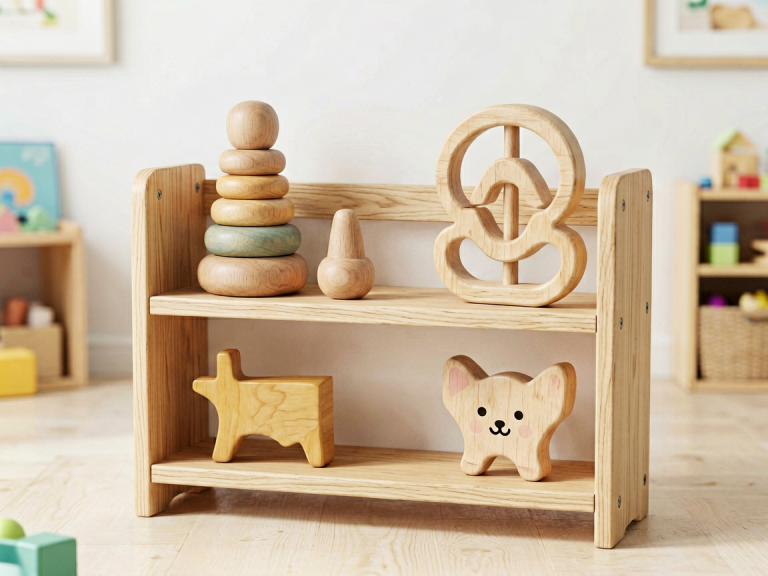
Fill a large container with a variety of objects: wooden blocks, corks, fabric scraps, bottle caps, pinecones, ribbons, pebbles, cardboard tubes, and small mirrors. Present the box to your preschooler and simply say, “I wonder what you can make with these.” Watch her create patterns, build towers, sort by color or texture, or invent a game. Over time, rotate the items to maintain novelty. This activity develops fine motor skills, classification abilities, and creative thinking. For a group of girls, the treasure box becomes a social negotiation tool—they must share, collaborate, and sometimes compromise on designs.
2. The Blanket Fort and Costume Studio
Instead of a pre-made playhouse, provide a basket of old sheets, clothespins, pillows, and scarves. Let your child decide where to drape the sheets, how to anchor them, and what the fort will be—a castle, a cave, a spaceship, or a doctor’s office. Add a pile of dress-up items that are not princess-specific: vests, hats, boots, lab coats, and fabric belts. Encourage her to change roles as she plays. This open-ended scenario supports narrative development, emotional regulation (through role-playing fears or wishes), and gross motor coordination as she crawls, lifts, and balances.
3. Sensory Play with Natural Materials
Set up a low tray or a small plastic bin with sand, water, or rice. Add natural elements like leaves, sticks, flower petals, smooth stones, and small branches. Include scoops, cups, spoons, and funnels. A preschool girl can spend an hour pouring, sifting, burying, and digging. She might create a “garden” with the leaves, build a “mountain” with wet sand, or simply enjoy the texture of rice running through her fingers. Sensory play is incredibly grounding for anxious or high-energy children, and it promotes scientific inquiry—what happens when you add water to sand? Why do stones sink but leaves float? There is no worksheet, only wonder.
4. The Blank Canvas: Painting Without Limits
Move beyond coloring books and coloring pages. Provide a large sheet of paper (or an old cardboard box), a variety of brushes, sponges, and non-toxic paints in primary colors plus white and black. Encourage mixing colors directly on the paper. Let your child paint with fingers, feet, or even toy cars dipped in paint. The goal is not a recognizable picture; it is the experience of mark-making, blending, and covering a surface. For added depth, play music in the background and let the painting respond to the rhythm. This activity builds hand-eye coordination and emotional expression, as colors can represent moods or stories.
5. Storytelling with Puppets and Props
Gather a set of simple puppets (socks, paper bags, or even hand shadows) and a collection of random props like a cardboard box (the stage), a feather, a key, and a scarf. Ask your child to tell a story using these items. She may invent characters, conflicts, and resolutions. Alternatively, you can start a story and pause, letting her decide what happens next. This oral language activity strengthens narrative skills, vocabulary, and empathy, as she must imagine the feelings of her puppet characters. For a group of girls, this often turns into a collaborative play where they act out scenarios from daily life or fantasy.
6. Mud Kitchen Magic
If you have outdoor space, set up a “mud kitchen” with old pots, pans, spoons, muffin tins, and a bucket of water and digging dirt. Add natural ingredients like grass, flower petals, and acorns. Preschool girls love to “cook” mud pies, soups, and cakes. They measure, stir, taste (hopefully not literally), and serve their creations. This open-ended activity is a powerful lesson in physics (wet sand holds shape better than dry), chemistry (mixing colors), and social cooperation. It also challenges the expectation that girls must play with tidy toys; mud is messy, glorious, and empowering.
7. Construction Zone: Unstructured Building
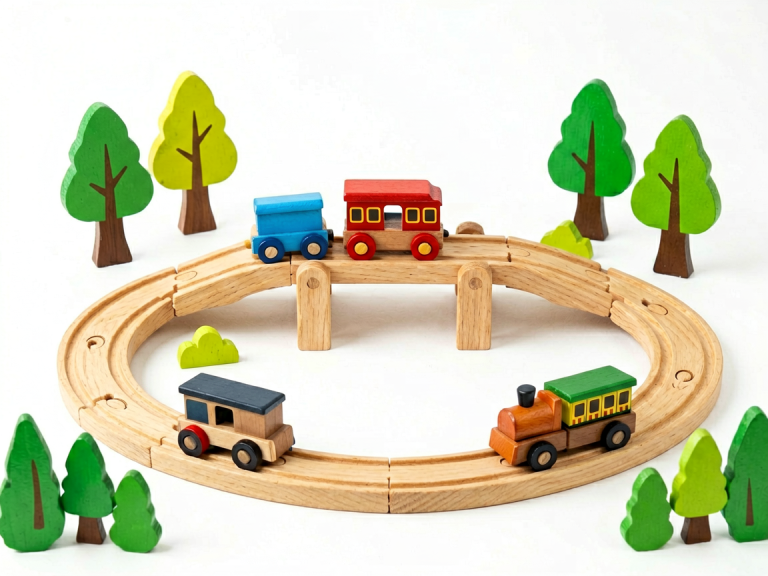
Provide a set of large cardboard blocks (easy to make by taping shut empty boxes of various sizes), plus tubes, cylinders, and flat boards. Do not show pictures of what to build. Simply say, “What can you make?” A girl might build a tower taller than herself, a tunnel for toy animals, or a stage for her dolls. The act of balancing, stacking, and falling down—and trying again—develops persistence and spatial reasoning. This activity directly counters the stereotype that building is for boys.
How to Create an Environment That Encourages Open-Ended Play
The adult’s role is not to teach but to prepare the environment. Here are practical guidelines:
- Less is more: Too many toys actually reduce creativity. Rotate a small selection of open-ended materials every few weeks.
- Embrace mess: Keep a vacuum and washable surfaces handy. Communicate that experimentation is valued over tidiness.
- Observe and ask open-ended questions: Instead of saying, “That’s a pretty tower,” try “Tell me about your tower. How did you decide to put that block here?” This encourages reflection.
- Allow uninterrupted time: Schedule at least 45 minutes of free play daily without transitions or adult interference.
- Model playfulness: Sit on the floor and build something yourself. When your daughter sees you experimenting without a plan, she learns that play is for everyone.
Common Concerns and Myths Addressed
Some parents worry that open-ended play might not prepare their daughters for school, where there are rules and right answers. In reality, the opposite is true. Open-ended play builds the self-regulation, cognitive flexibility, and intrinsic motivation that are essential for academic success. Another myth is that girls naturally prefer calm, quiet play. While some do, many girls thrive on rough-and-tumble, loud, and messy play. Avoid imposing gender expectations; let the child reveal her own preferences.
Conclusion: The Gift of Unstructured Wonder
Open-ended play activities for preschool girls are not just fun—they are a radical act of empowerment. In a world that often tells young girls to be neat, pretty, and agreeable, these activities whisper a different message: you are the author of your own story, the builder of your own world, the maker of your own rules. By providing loose parts, natural materials, and uninterrupted time, we gift our daughters the confidence to explore, the resilience to fall, and the creativity to rise again. The tower may topple, the painting may be a brown mess, the mud pie may never be eaten—but in the process, a young mind learns that the greatest discoveries come from the questions we ask, not the answers we memorize. So step back, let her lead, and watch the magic unfold.