Play More, Clutter Less: The Best Play Ideas to Avoid Toy Clutter Without Sacrificing Fun
Introduction
Every parent knows the scene: a living room floor buried under a plastic avalanche of action figures, puzzle pieces, battery-operated gadgets, and the mysterious single sock from a doll’s wardrobe. Toy clutter is not just an eyesore—it drains energy, creates stress, and often stifles genuine creativity in children. The irony is that many of these toys are rarely played with in a meaningful way. The solution is not to ban toys altogether, but to rethink the very concept of play. By choosing play ideas that prioritize depth over volume, we can keep children engaged, stimulated, and happy—while keeping our homes tidy. This article explores the best play ideas that naturally reduce toy clutter, focusing on open-ended materials, rotation systems, DIY creations, nature-based play, and mindful gifting. Each idea is designed to foster imagination and learning without requiring a storage unit.
1. The Power of Open-Ended Toys: Less Is Truly More
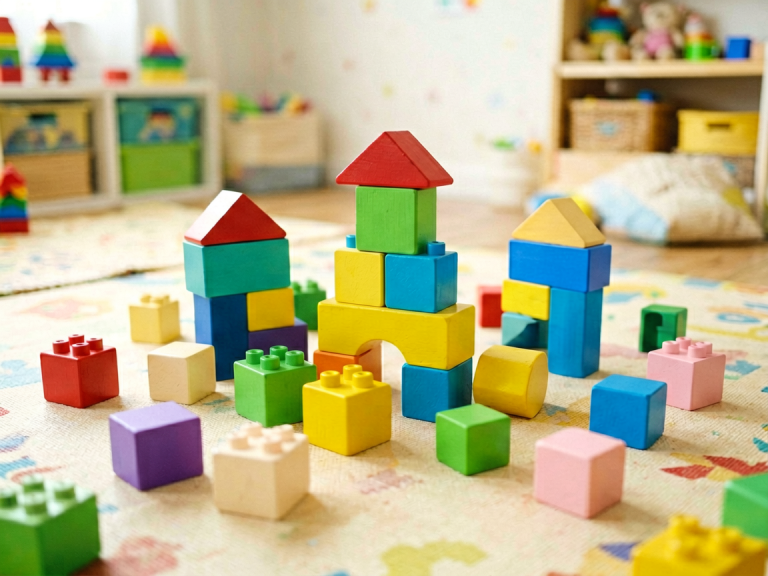
Open-ended toys are the superheroes of clutter-free play. Unlike a single-purpose toy (a talking dinosaur that only roars and waddles), open-ended materials can be used in countless ways. Blocks, wooden planks, fabric scraps, cardboard boxes, and simple figurines become castles, spaceships, forests, or cities depending on the child’s mood. Because these toys are not prescriptive, children engage with them repeatedly and deeply. They don’t get bored quickly, so you don’t need dozens of different items.
Why It Reduces Clutter: One set of wooden blocks can replace a shelf of plastic buildings, cars, and animals. A basket of silk scarves becomes water, capes, tents, or ocean waves. By investing in high-quality, versatile items, you dramatically shrink the number of toys required. Moreover, these toys often have a timeless aesthetic—they look beautiful on a shelf, so they contribute to decor rather than chaos.
How to Implement: Start by removing 80% of your child’s current toys. Keep only a few categories: building materials (blocks, magnetic tiles), loose parts (buttons, pebbles, corks), and a few neutral dolls or animals. Observe how your child’s play deepens. They will begin to create elaborate storylines instead of hopping from one noisy toy to the next.
2. The Toy Rotation System: A Strategic Approach to Curation
Toy rotation is a simple but transformative habit. Instead of having every single toy accessible at once, store the majority out of sight. Every week or two, swap out a small selection. This creates novelty without buying anything new. Children rediscover forgotten toys with fresh excitement, and the limited choice encourages focused, imaginative play.
Setting Up the System: Use bins or shelves in a closet, garage, or under the bed. Divide toys into 4–6 categories (e.g., building, pretend play, puzzles, arts, sensory, vehicles). Each category gets one bin. Rotate one bin per week or per two weeks. Keep only one bin’s worth of toys in the play area at a time.
Benefits Beyond Clutter: A rotated playroom is a calm playroom. Children are less overwhelmed, which reduces tantrums. They also learn to care for toys because they know the items will go away for a while. You, as the parent, spend less time cleaning because there are fewer things to trip over.
3. DIY and Upcycled Play: The Ultimate Zero-Waste Fun
One of the best ways to avoid toy clutter is to make toys from items you already have. Cardboard boxes become cars, rocket ships, or dollhouses. Toilet paper rolls transform into binoculars, marble runs, or characters. Old clothes become dress-up costumes. This approach teaches resourcefulness and reduces the need to purchase new items.
Active Play Ideas: Set up a “creating station” with tape, scissors, markers, and recycled materials. Challenge your child to build a marble maze using paper towel tubes and tape. Or create a small world inside a shoebox using natural items (acorns, leaves, sticks) collected on a walk. The play is finite—when the project is done, it can be recycled or disassembled. No plastic clutter remains.
Why It Works: Children value what they make themselves far more than store-bought toys. A cardboard castle built with effort will be played with for days, while a plastic castle might be ignored after the first hour. Plus, the process of making is as valuable as the playing.
4. Nature-Based Play: The Original Toy Box
Nature provides an infinite, rotating supply of play materials—and they cost nothing. Leaves, pinecones, stones, sand, water, and mud offer rich sensory experiences. A backyard or even a balcony can be a play paradise.
Ideas for Nature Play: Collect acorns and sort them by size. Draw with sticks in the dirt. Build fairy houses from bark and moss. Create a mud kitchen with old pots and spoons. Use flower petals and grass to make “potions” in a bucket. These activities are deeply engaging and completely ephemeral. After play, everything returns to the earth. There is no clutter to store.
Seasonal Rotation: Nature itself rotates its toys. In autumn, you have leaves and acorns; in winter, snow and ice; in spring, blossoms and puddles; in summer, sand and shells. This natural cycle keeps play fresh without requiring storage space.
5. Sensory Bins That Are Self-Contained and Reusable
Sensory play is crucial for child development, but it can create a huge mess if not managed well. The solution is to create self-contained sensory bins that can be tucked away when not in use. Use a plastic tub with a lid. Fill it with a base material—rice, beans, sand, water beads, or oats—and add scoops, spoons, small containers, and a few figurines.
How to Keep It Tidy: Spread a large towel or plastic tablecloth under the bin. Set clear rules: all materials stay inside the bin or on the cloth. When play is done, scoop everything back in, snap the lid on, and store it on a shelf. One bin replaces a dozen messy toys. You can rotate the base materials and add seasonal items (e.g., tiny pumpkins in fall, seashells in summer) to keep interest high without extra clutter.
6. The Art of Mindful Gifting: Curbing Inflow
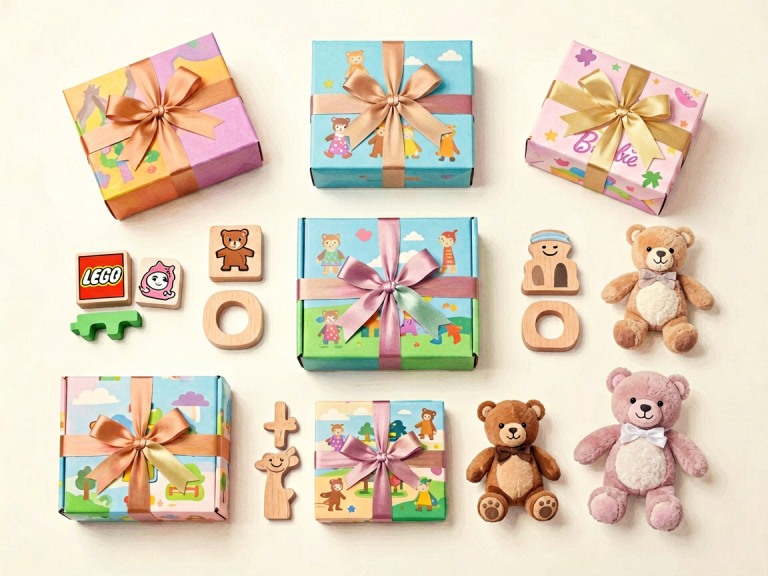
No matter how good your play ideas are, if relatives keep buying plastic gadgets, clutter will persist. Mindful gifting is essential. Create a wish list for your child that focuses on experiences or open-ended toys. Ask for museum memberships, tickets to a hands-on workshop, or contributions to a bigger item (like a wooden playset or a set of high-quality building planks).
Alternatives to Physical Gifts: Suggest that grandparents give a “play date coupon” (e.g., a trip to the park, baking cookies, a craft session). Or ask for consumable art supplies—paper, paint, playdough—which get used up and don’t accumulate. Explain politely that your family is minimizing toy clutter to encourage deeper play.
7. Zone-Based Play Areas: Containing the Chaos
Designate specific zones for different types of play. For example, a corner for building, a table for arts, a rug for pretend play. Each zone has a clear boundary and storage solutions (baskets, shelves, wall pockets). When a child finishes playing in one zone, they must tidy that zone before moving to another.
Why This Helps: Zones teach organization without being rigid. A child knows that blocks go in the building zone, not on the dining table. This limits the spread of clutter to one area at a time. It also makes cleanup faster—you only have to put away one type of toy instead of a jumble of everything.
8. Digital and Screen-Based Play: A Clutter-Free Alternative
While time limits are important, digital play can be a valuable tool for reducing physical clutter. Audiobooks, storytelling apps, drawing apps, and interactive learning games require no physical items. They can be used while traveling or in small spaces. Balance screen time with active play, but don’t dismiss it entirely. A tablet loaded with creative apps (e.g., drawing, music composition, puzzle games) can replace a shelf of plastic toys.
The Rule: Choose apps that are open-ended, not passive. For example, a music-making app where kids compose their own tunes is better than a mindless tapping game. Use digital play as a supplement, not a replacement.
9. Encouraging Deep Play Over Wide Play
The ultimate goal is to shift from “wide play” (many shallow interactions) to “deep play” (long, immersive, creative engagement). Deep play happens when a child has time, space, and few distractions. When you limit the number of toys, you automatically encourage deeper focus. Children learn to plan, invent, solve problems, and collaborate.
How to Foster Deep Play: Provide long, uninterrupted periods of free play. Don’t schedule back-to-back activities. Join occasionally but don’t direct. Ask open-ended questions like, “What will happen next in your story?” or “How does your castle protect against dragons?” These conversations build narrative skills and make play richer.
10. The “One In, One Out” Rule for Families
Teach your children (and yourself) that every new toy must replace an old one. When a birthday or holiday brings a gift, choose a toy to donate or pass on. This keeps the total number constant. It also teaches children about generosity and the value of possessions.
Make It Fun: Let the child pick which toy to give away. Take them to donate it to a charity or a younger cousin. Talk about how the toy will bring joy to someone else. This transforms “losing” a toy into a positive experience.
Conclusion
Avoiding toy clutter is not about depriving children of fun. On the contrary, it is about curating a play environment that fosters creativity, focus, and joy. By embracing open-ended toys, rotation systems, DIY play, nature, sensory bins, mindful gifting, and zones, you can create a home where play thrives and clutter fades. The best play ideas are not the ones that fill shelves—they are the ones that fill minds. When we limit the quantity of toys, we expand the quality of play. And that is a gift every child deserves.
(Word count: approximately 1,520 words)