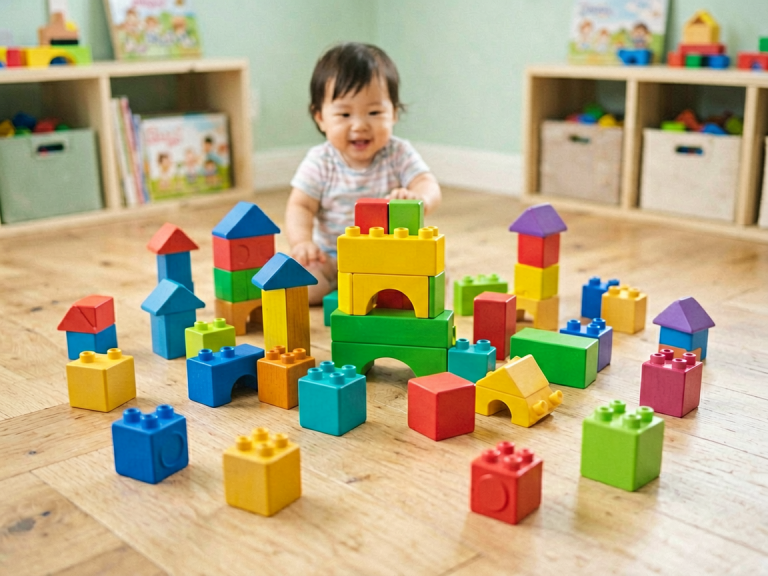
Playful Pathways: A Comprehensive Guide to Choosing Learning Through Play
In a world that increasingly values structured academics, the idea of “learning through play” can seem almost heretical to some parents and educators. Yet...
Read MoreCategory
Articles explaining the benefits and methods of learning through play for children.
282 articles
In a world that increasingly values structured academics, the idea of “learning through play” can seem almost heretical to some parents and educators. Yet...
Read More
Why Learning Through Play Matters In an era of structured schedules and screen‑time debates, the concept of “learning through play” has never been more...
Read More
At two years old, a child is a whirlwind of curiosity, emotion, and boundless energy. Their world is expanding rapidly—they are learning to speak...
Read More
At age nine, children stand at a fascinating crossroads of development. They have outgrown the simple imaginative play of early childhood, yet they still...
Read More
Why Play-Based Learning Matters at Age 9 At nine years old, children are in a remarkable developmental sweet spot. They have outgrown the simple...
Read More
In the bustling hallways of elementary schools and the cozy corners of living rooms, a quiet revolution is taking place. Children, particularly those around...
Read More
The Importance of Play at Age Eight At eight years old, children stand at a remarkable crossroads of development. They have outgrown the simple,...
Read More
At the age of eight, children are in a remarkable developmental sweet spot. Their cognitive abilities have expanded significantly: they can grasp abstract concepts,...
Read More
At the age of eight, children stand at a fascinating crossroads of development. They have outgrown the purely imaginative, self-centered play of early childhood,...
Read More
At the age of seven, children stand at a vibrant crossroads of early childhood and the more structured world of middle childhood. Their cognitive...
Read More