The Ultimate Parent Guide: Choosing Age-Appropriate Toys for 10-Year-Old Girls
Introduction: Why Toy Selection Matters at This Age
Navigating the toy aisle for a 10-year-old girl can feel like walking through a minefield of mixed messages. On one hand, she may still cherish her stuffed animals and dollhouses; on the other, she is beginning to crave independence, complex challenges, and social connection. At ten, children stand at a pivotal developmental crossroads. They are no longer little kids, yet they are not quite teenagers. Their cognitive abilities are expanding rapidly, their social circles are becoming more nuanced, and their sense of identity is starting to take shape. For parents, choosing age-appropriate toys is not merely about keeping a child entertained—it is about supporting her growth in critical thinking, creativity, emotional regulation, and physical health. This guide will help you understand what makes a toy suitable for a 10-year-old girl, and how to select items that will inspire, educate, and delight her without overwhelming or underwhelming her.
Understanding the Developmental Milestones of a 10-Year-Old Girl
Before diving into specific toy categories, it is essential to grasp what is happening inside a typical 10-year-old’s mind and body. At this age, girls often experience a surge in logical reasoning and problem-solving abilities. They can understand cause-and-effect relationships more deeply, follow multi-step instructions, and engage in hypothetical thinking. Socially, friendships become more important than ever, and peer acceptance is a major motivator. Many girls begin to form “best friend” bonds and enjoy collaborative activities that require negotiation and teamwork. Emotionally, they are more aware of fairness, justice, and their own feelings, but they may also face new anxieties about fitting in or being judged. Physically, some girls may enter the early stages of puberty, with growth spurts and increased coordination, while others remain at a steadier pace. Therefore, toys that challenge their intellect, encourage collaboration, allow for self-expression, and support physical activity are all excellent choices. Avoid toys that are too simplistic (boring) or too advanced (frustrating). The sweet spot lies in toys that offer a slight stretch beyond their current abilities, promoting what psychologist Lev Vygotsky called the “zone of proximal development.”
Types of Toys That Foster Cognitive Growth
STEM Kits and Science Experiments
One of the most rewarding categories for a 10-year-old girl is STEM (Science, Technology, Engineering, and Math). At this age, she can grasp complex scientific concepts through hands-on experimentation. Look for kits that allow her to build a working volcano, create a crystal garden, assemble a simple circuit, or construct a small robot. These toys do not need to be gender-specific—many girls thrive on chemistry sets, microscopes, or coding games. Brands like Thames & Kosmos, littleBits, and Snap Circuits offer age-appropriate challenges that encourage trial-and-error learning. A 10-year-old girl who enjoys tinkering will gain confidence in her ability to understand how things work, which can spark a lifelong interest in STEM fields. Moreover, these toys often come with instruction manuals that require reading and following directions, sharpening her literacy and focus.
Board Games That Require Strategy
Cognitive development also flourishes through strategic board games. Games like Settlers of Catan (junior edition), Ticket to Ride, Carcassonne, and Azul teach planning, resource management, and flexible thinking. Cooperative games such as Forbidden Island or Pandemic (the simplified version) are particularly valuable because they encourage teamwork rather than competition. For a 10-year-old girl, playing these games with family or friends helps her practice patience, decision-making, and the ability to cope with losing gracefully. Additionally, board games often involve math skills—counting spaces, calculating scores, or managing money—without feeling like homework.
Puzzles and Logic Challenges
Jigsaw puzzles with 500 to 1,000 pieces are superb for developing spatial reasoning, attention to detail, and perseverance. But beyond traditional puzzles, consider logic puzzles like Rubik’s Cubes, Sudoku books, or brain teasers such as “gravity mazes” or “lateral thinking” card games. These toys require her to think systematically and try different approaches, which strengthens executive function—the mental skills that help with planning, focus, and self-control.
Promoting Creativity and Artistic Expression
Advanced Art Supplies and Craft Kits
While a 10-year-old may have outgrown chunky crayons, she is ready for more sophisticated art materials. High-quality colored pencils, watercolor sets, markers with brush tips, and sketchbooks allow her to experiment with shading, blending, and composition. Craft kits that involve weaving, embroidery, jewelry-making, or candle-making can also captivate her interest. These activities not only foster creativity but also improve fine motor skills and patience. Moreover, creating something tangible gives her a sense of accomplishment and a healthy outlet for emotions. If she shows a particular interest in fashion or design, consider a basic sewing machine kit or a fashion sketch set.
Building and Construction Sets
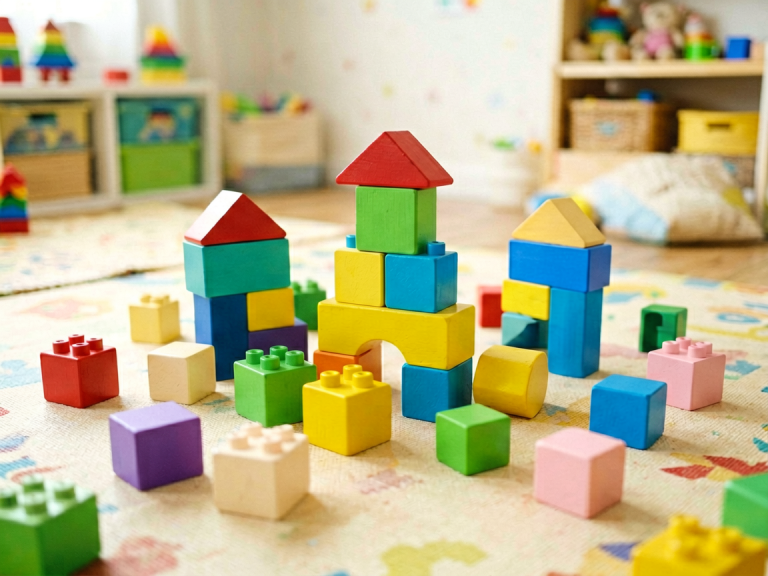
Construction toys are often associated with younger kids, but advanced building sets—like LEGO Creator Expert, LEGO Architecture, or metal building kits (e.g., Meccano or Erector sets)—are perfect for a 10-year-old girl. These sets often include hundreds of small pieces and detailed instructions for building complex structures such as a Ferris wheel, a space station, or a realistic vehicle. Beyond following instructions, she can also free-build, which stimulates imagination and engineering thinking. Some girls love creating their own dollhouse furniture with mini bricks, or even designing marble runs and kinetic sculptures.
Music and Performing Arts
If your daughter shows an interest in music, this is an ideal age to introduce a musical instrument. A ukulele, keyboard, or recorder is relatively affordable and easy to learn. Consider enrolling her in a music class or providing an online subscription like Yousician or Simply Piano. For performing arts, puppet theaters, karaoke machines, or costume boxes with themed outfits (e.g., chef, scientist, superhero) encourage dramatic play and storytelling. These toys help her build confidence in public expression and empathy as she steps into different characters’ shoes.
Encouraging Physical Activity and Outdoor Play
Bikes, Scooters, and Skateboards
At ten, many girls have excellent balance and coordination, making it the perfect time to upgrade to a larger bike with gears, a two-wheeled scooter, or a skateboard with safety gear. Physical activity is crucial not only for health but also for stress relief and social bonding. Riding around the neighborhood with friends provides a sense of freedom and independence that 10-year-olds crave. When selecting a bike, ensure it fits her height and that she can comfortably reach the handlebars and pedals. Also, invest in a properly fitted helmet and knee/elbow pads to encourage safe habits.
Outdoor Sports Equipment
Team sports equipment—such as a soccer ball, basketball, volleyball set, or badminton rackets—can foster both physical fitness and social skills. If she prefers solo activities, consider a jump rope, a hula hoop, a trampoline (with safety net), or a target-throwing game like cornhole. Many 10-year-old girls also enjoy rollerblading or roller skating; you can find beginner-friendly skates that adjust to her shoe size. The key is to choose equipment that matches her current skill level but offers room for improvement. Avoid items that are too advanced (like a regulation-sized soccer goal) or too babyish (like a plastic toddler bat).
Outdoor Exploration Tools
For the nature-loving girl, a magnifying glass, bug catcher, binoculars, a compass, or a simple bird-watching journal can turn a walk in the park into a scientific expedition. Consider a pair of kid-friendly hiking boots and a small backpack for family hikes. Even a basic tent for backyard camping or a firefly-catching kit can spark a deep appreciation for the outdoors. These toys encourage observation, curiosity, and respect for the environment.
Navigating the World of Digital and Tech Toys
Educational Electronics and Coding Kits
In our digital age, it is unrealistic—and unnecessary—to completely avoid screen-based toys. Instead, choose interactive tech toys that teach real skills. Robotics kits like “Botley the Coding Robot” (advanced version) or “Makey Makey” allow her to program simple commands and see immediate results. Subscription boxes like KiwiCo’s Tinker Crate or Bitsbox offer monthly projects that explain how technology works. Another excellent option is a digital drawing tablet connected to a computer, which can translate her artistic talent into digital art using programs like Krita or Procreate. Such toys not only feel like “grown-up” tools but also prepare her for a tech-driven world.
Apps and Online Platforms with Purpose
While not physical toys, carefully selected apps and online games can supplement learning. Platforms like Khan Academy Kids (for older kids), Prodigy Math, or Scratch (a free coding community) are engaging and educational. For reading, a subscription to Epic! or a Kindle with age-appropriate e-books can expand her library. However, set clear time limits and monitor her online activity. The goal is use technology as a tool, not a pacifier. Many 10-year-old girls also enjoy photography or video editing apps; a child-friendly camera or a used DSLR can ignite a passion for visual storytelling.
Video Games with Educational Value
If your daughter is drawn to video games, steer her toward titles that require problem-solving, creativity, or collaboration. Games like “Minecraft” in survival mode teach resource management and creativity. “Stardew Valley” promotes time management and planning. “The Legend of Zelda: Breath of the Wild” encourages exploration and puzzle-solving. Avoid games with excessive violence or microtransactions. Instead of banning games entirely, play alongside her occasionally, discuss the game’s themes, and use it as a bonding opportunity.
Social and Cooperative Play Toys
Board Games for Groups and Parties
In addition to strategy games mentioned earlier, party-style board games like “Telestrations,” “Pictionary,” “Charades,” and “Codenames” (the family edition) are fantastic for sleepovers and friend gatherings. These games emphasize communication, humor, and creativity rather than winning at all costs. They also teach 10-year-old girls how to take turns, handle friendly teasing, and include everyone—skills that are invaluable in real-world social situations.
Craft and Project Kits for Two or More
Many craft projects are more fun with a friend. Look for kits designed for collaboration, such as a friendship bracelet loom set, a tie-dye kit, or a model car that two kids can assemble together. Sewing kits that allow two people to make matching pillowcases or a small quilt can also strengthen bonds. These shared activities provide natural opportunities for conversation and collaboration, which are especially important for girls at an age where social dynamics become more complex.
Books Series That Encourage Discussion
While a book is not a toy in the traditional sense, a carefully chosen book series can be a powerful tool for social and emotional development. For 10-year-old girls, series like “The Baby-Sitters Club,” “Harry Potter,” “Percy Jackson,” or “Wings of Fire” offer relatable characters, moral dilemmas, and adventure. Consider starting a mother-daughter or father-daughter book club, or encourage her to discuss the stories with friends. Reading together—or even just having the book nearby—can spark deep conversations about empathy, courage, and identity.
Tips for Balancing Fun and Learning
Listen to Her Preferences
The most important rule in choosing any toy is to involve your daughter in the decision. Ask what she is curious about, what her friends are playing with, and what activities she enjoys at school. A toy that she chooses herself will be used much more often than one you buy on a whim. However, also gently introduce options she might not have considered—sometimes kids don’t know they will love something until they try it.
Avoid Gender Stereotypes
When selecting toys, do not limit yourself to the “girls’ aisle.” Many 10-year-old girls love building, science, and adventure, just as many love art and fashion. A toy is not inherently masculine or feminine; it is about the skills and joy it provides. If she wants a remote-control car or a chemistry set, embrace it. If she wants a makeup kit or a nail polish station, ensure it is non-toxic and age-appropriate (many face paints and nail polishes contain chemicals that are not safe for preteens). The best toys are those that match her unique interests, not societal expectations.
Prioritize Quality Over Quantity
With so many options available, it is tempting to buy piles of cheap toys that quickly break or lose their appeal. Instead, invest in fewer, higher-quality items that can be used in multiple ways. A good set of building blocks, a versatile art supply collection, or a well-made bike will last for years and provide countless hours of engagement. Quality toys also tend to be safer, with fewer small parts that could come loose and no harmful paint or plastics.
Check for Safety and Age Labels
Even though 10-year-olds are more capable than toddlers, safety remains crucial. Always check the recommended age range on the packaging. Some toys have small parts that can be choking hazards, even for older children with younger siblings. Also, be aware of potential hazards like lithium batteries in electronic toys, toxic glues in craft kits, or sharp edges in metal construction sets. Read reviews and look for certifications like ASTM or CE. If the toy involves digital components, ensure it does not collect personal data or contain unmoderated chat functions.
Conclusion: The Gift of Thoughtful Play
Choosing age-appropriate toys for a 10-year-old girl is not about finding the trendiest item or the most educational gadget—it is about understanding who she is at this moment and supporting her journey as she grows. The right toy can spark a passion for astronomy, teach her how to fix a broken engine, or help her navigate the complexities of friendship. It can give her a reason to go outside, to share a laugh with a sibling, or to create something she is proud of. As a parent, your role is not to micromanage her play, but to provide a rich environment where she can explore, fail, try again, and succeed on her own terms. By following this guide, you will not only fill her toy box with wonderful objects—you will fill her childhood with meaningful experiences. And in the end, that is the greatest plaything of all.